
Passive House
Builder Sydney
Marvel Homes builds certified Passive Houses across Sydney through an engineering-led design and build system. Each home is measured, airtight, ventilated and independently verified to the PHI standard. Five to eight homes a year, by choice.
Why families choose Marvel for a Passive House in Sydney
Many builders talk about passive principles. A certified Passive House is different: the home is modelled, blower-door tested and independently verified to the PHI standard. Marvel brings two engineers, in-house Passive House trade capability and a small annual build volume to that process.
10+ Passive House projects
Completed and in delivery across Sydney.
Engineering-led delivery
Civil, mechanical and licensed builder capability are built into the way Marvel plans and delivers each project.
In-house CPHT capability
Certified Passive House Tradesperson capability supports airtightness detailing, HRV coordination and construction-stage quality control.
Third-party verification
Every certified build is verified by a third-party PHI-accredited certifier, not self-declared.
5 to 8 homes a year
A small annual build volume keeps the team focused on detail, site coordination and measured performance.
What makes a passive house different
A passive house is not a style or a brand. It is a way of building that is measured rather than marketed: the home is engineered to hold comfort on a fraction of the energy, and the performance is proven on the finished building, not assumed from a render.
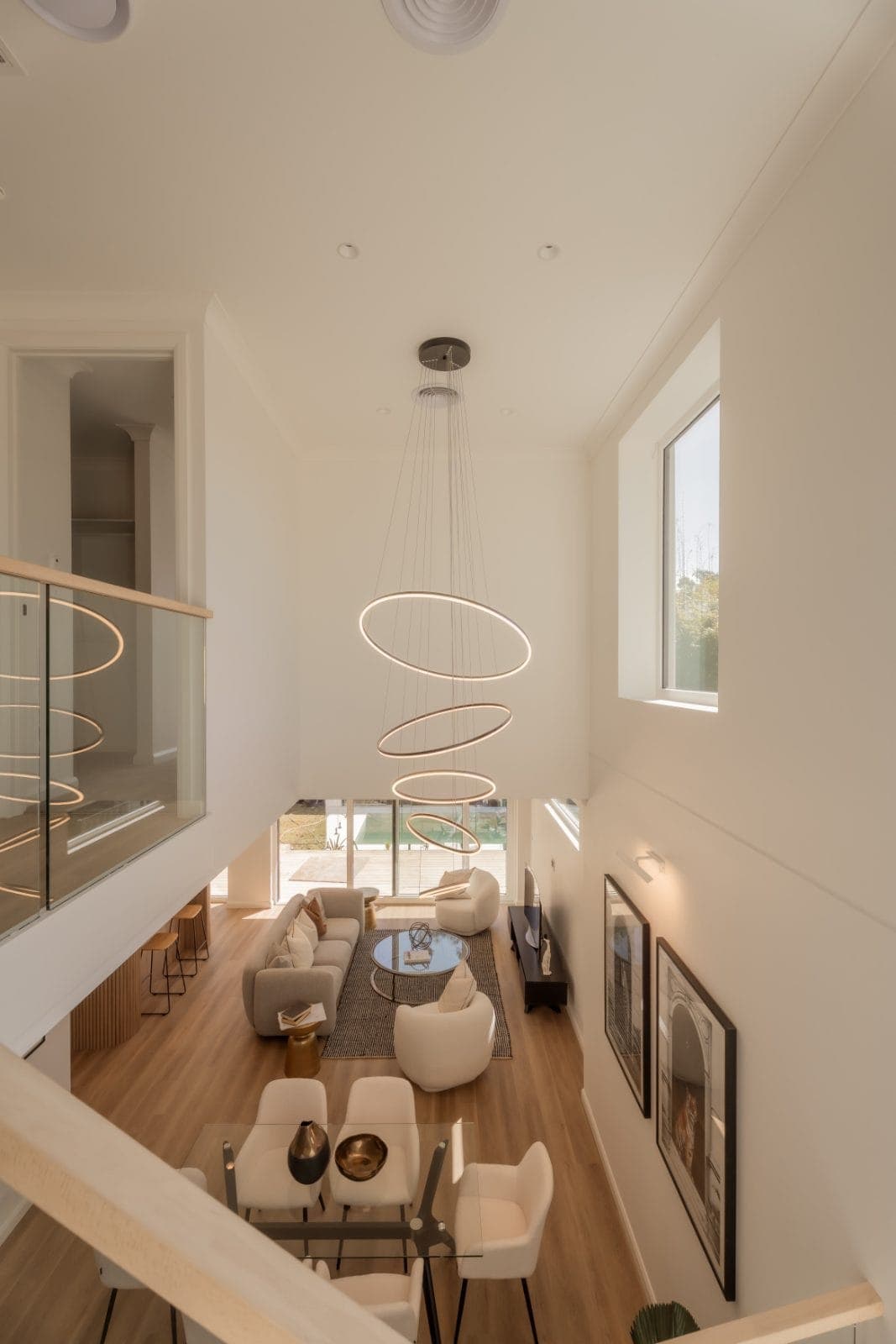
The result is a home that sits at a steady 20 to 25°C year-round, with no condensation or mould problems, continuous fresh filtered air, and around 80% less energy than a standard Sydney home of the same size.
Classic, Plus and Premium
Every passive house holds the same core comfort. The three levels differ only in how much renewable energy the home generates on site. Most Marvel homes reach Plus.
The full passive house standard. Maximum comfort and efficiency, with no on-site generation required.
Adds rooftop solar, so across a year the home generates roughly as much clean energy as it uses. Where most Marvel homes land.
Generates significantly more renewable energy than it consumes across the year.
Add solar and reach Passive House Plus
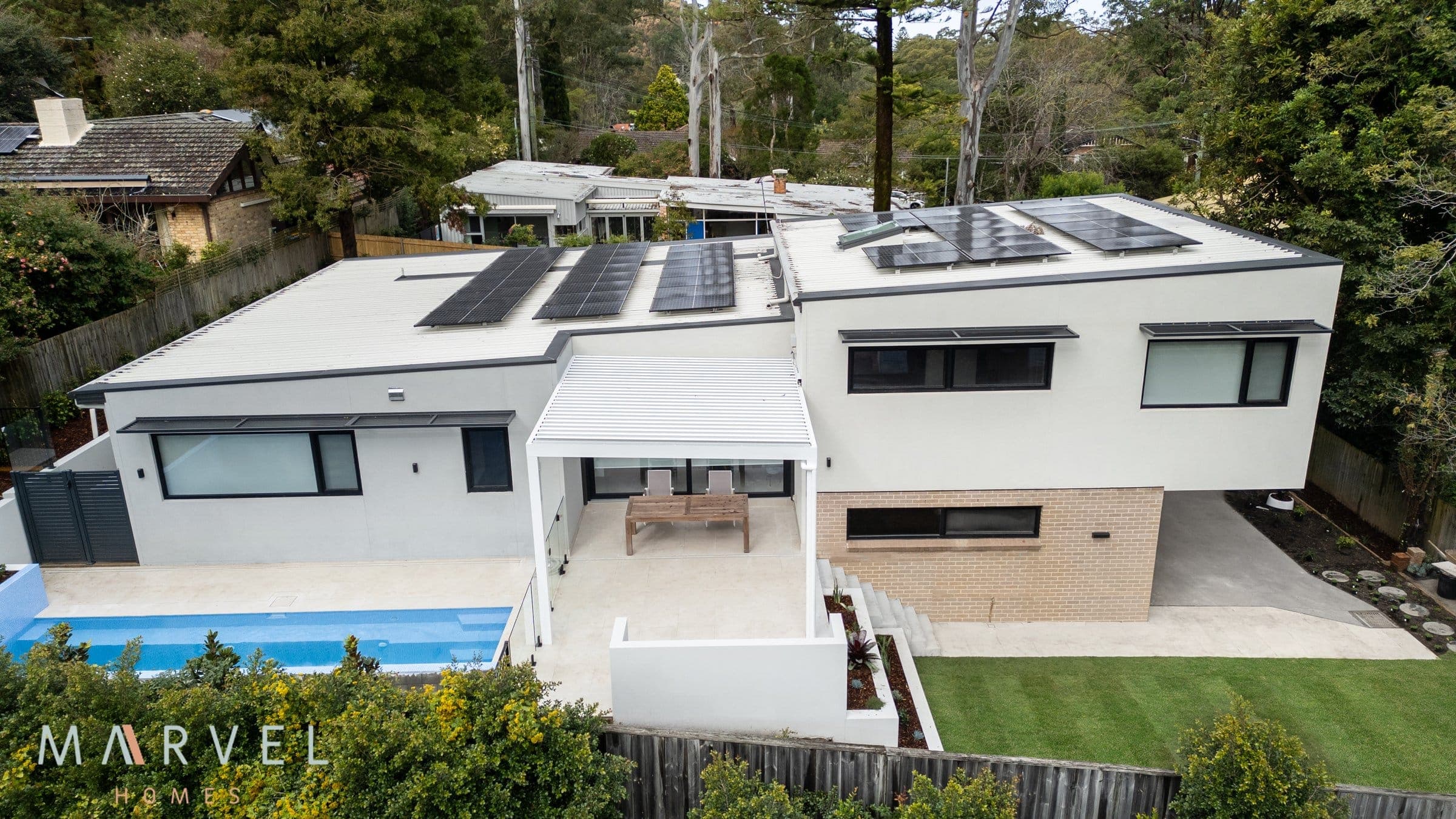
When a client adds rooftop solar and a battery to the passive house envelope, the build reaches Passive House Plus. Across a year it generates close to as much clean energy as the household uses. The home stays comfortable on a fraction of the energy of a standard build, and the solar covers much of what is left.
Our Dundas and Warrawee homes are certified Passive House Plus. Lilyfield, Riverwood and Croydon are certified Passive House Classic.
- Generates roughly as much renewable energy as the home uses over a year
- Lower energy demand than a Classic passive house
- Strong protection against rising energy prices
- The same certified comfort, air quality and 0.6 ACH airtightness as every passive house
How a passive house gets built
Five stages, one team. We manage each phase directly, so nothing is lost between design and delivery.
Site investigation
Geotechnical report, survey, planning constraints, heritage checks. We review everything before committing to a design.
Design
PHPP energy modelling, orientation, window placement, thermal mass. Designed to meet PHI certification, not just look good on a render.
Approvals
CDC or DA pathway depending on your site. We manage the consultants and the paperwork.
Construction
Around 62 weeks. Airtightness membranes, continuous insulation, double glazing, HRV installation. A principal on site for every critical stage.
Certification
Blower door test, third-party certifier sign-off, PHI certificate issued. Then handover.
Not sure if your block suits a passive house? We will tell you on the first call, before any design work begins.
Mo and Ibrahim on every project
Mo Amin is a civil engineer and Licensed Builder in NSW (Licence #330031C). He reads geotechnical reports himself, reviews the structural drawings, and manages the construction programme. Ibrahim Amin is a mechanical engineer, Licensed Builder and Certified Passive House Tradesperson (CPHT). He handles the airtightness detailing, the HRV system design and commissioning, and the blower door test.
Together they have built passive houses on narrow inner-city lots in the Inner West, sloping blocks on the Upper North Shore, and constrained sites across South Sydney. Each project is personally managed, not handed to a site supervisor you have never met.
Our Lilyfield project
Lilyfield is a completed passive house in Sydney's Inner West. It is a narrow-lot build on a site that required careful civil engineering to manage the foundation conditions and party wall obligations. The home achieved PHI certification at practical completion. It is a good example of what is achievable on a constrained urban site when the engineering and the passive house detailing are handled by the same team.
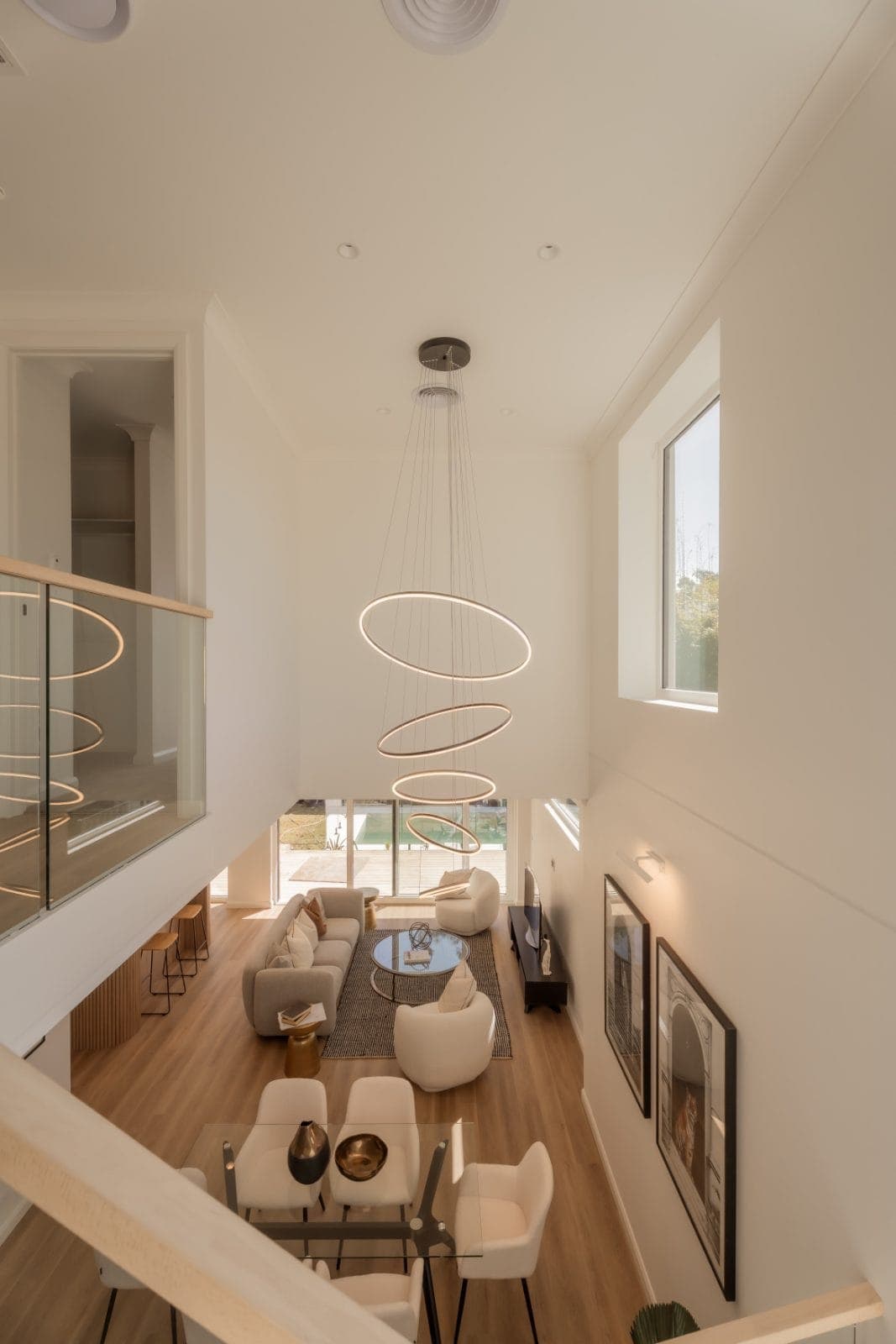
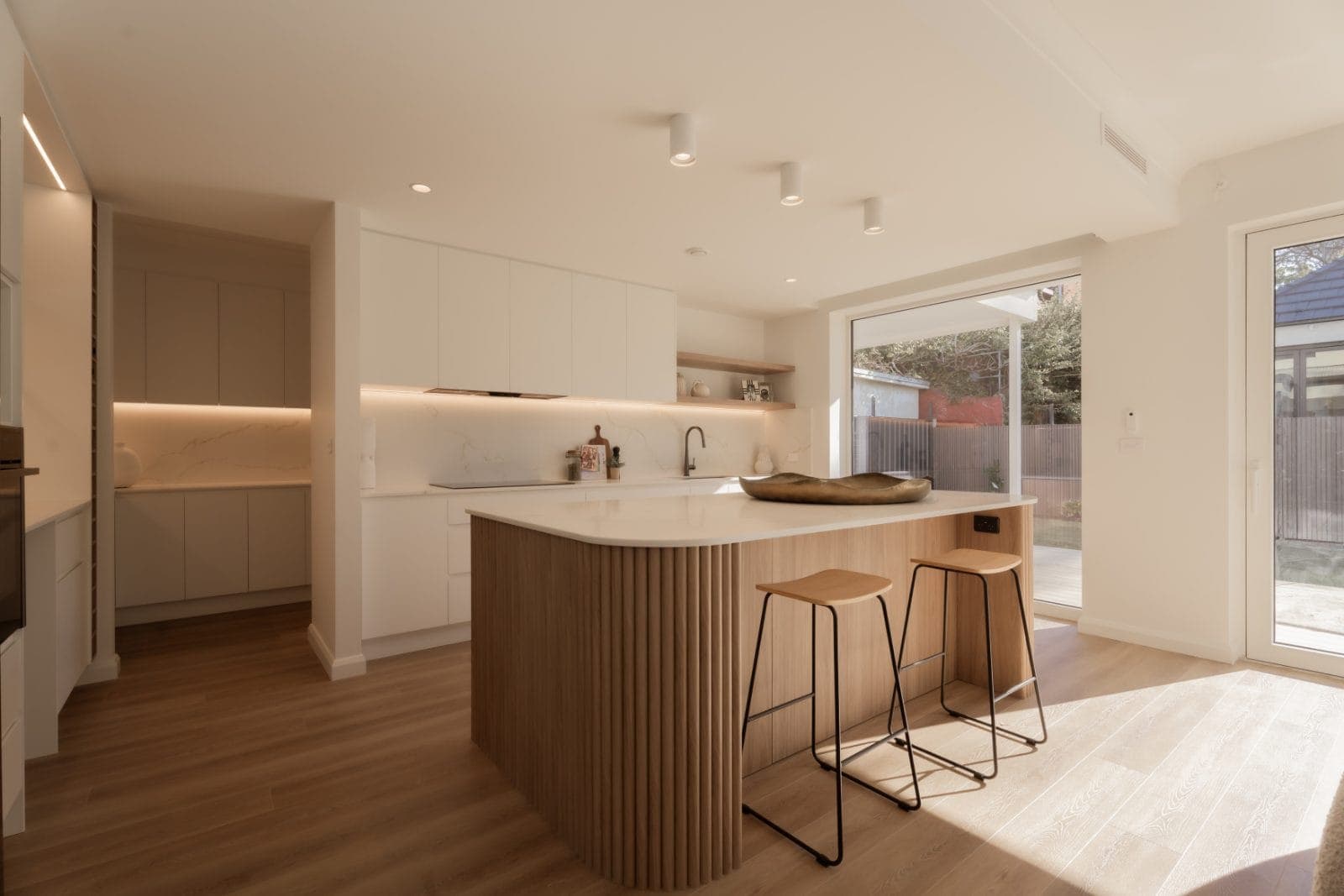
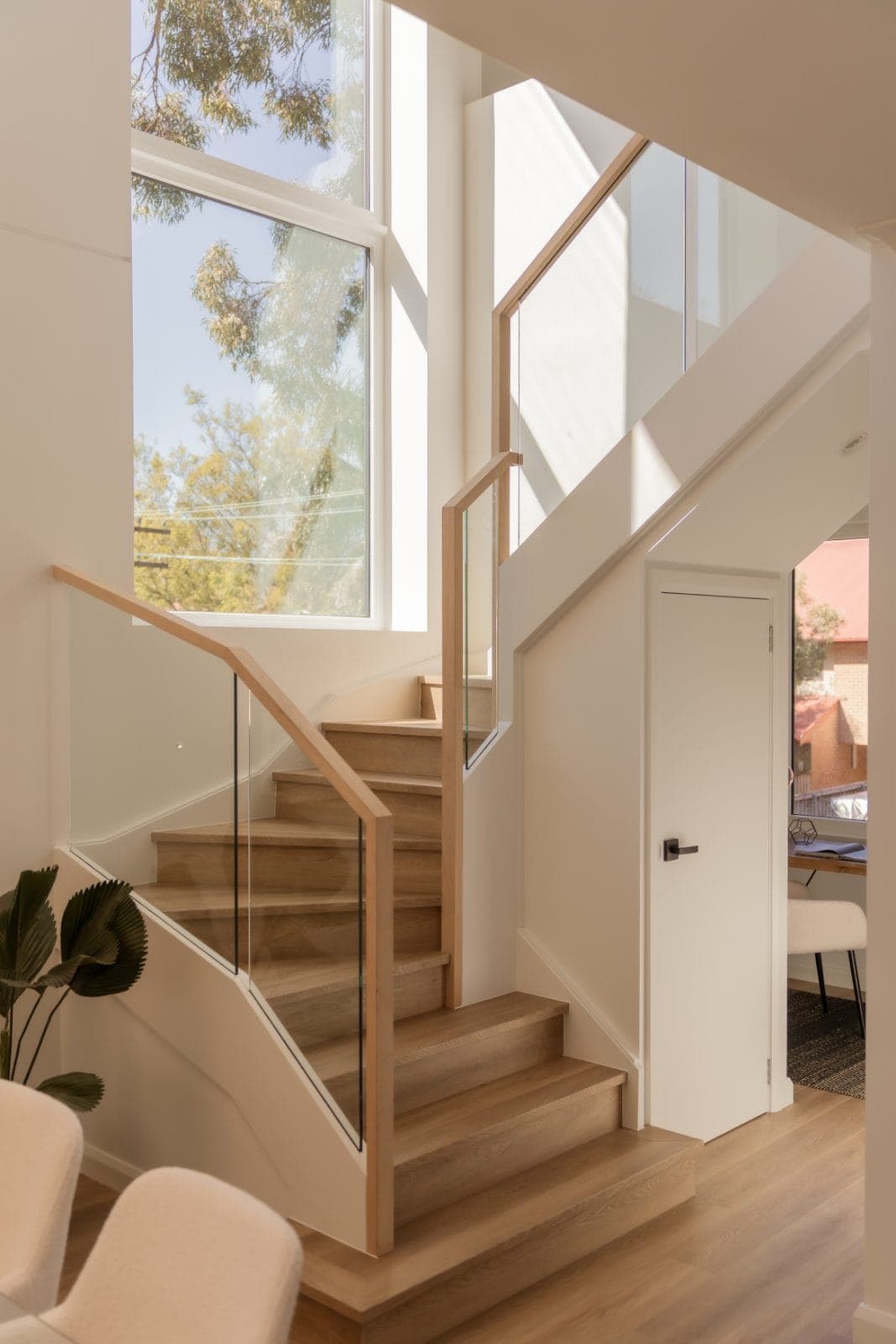
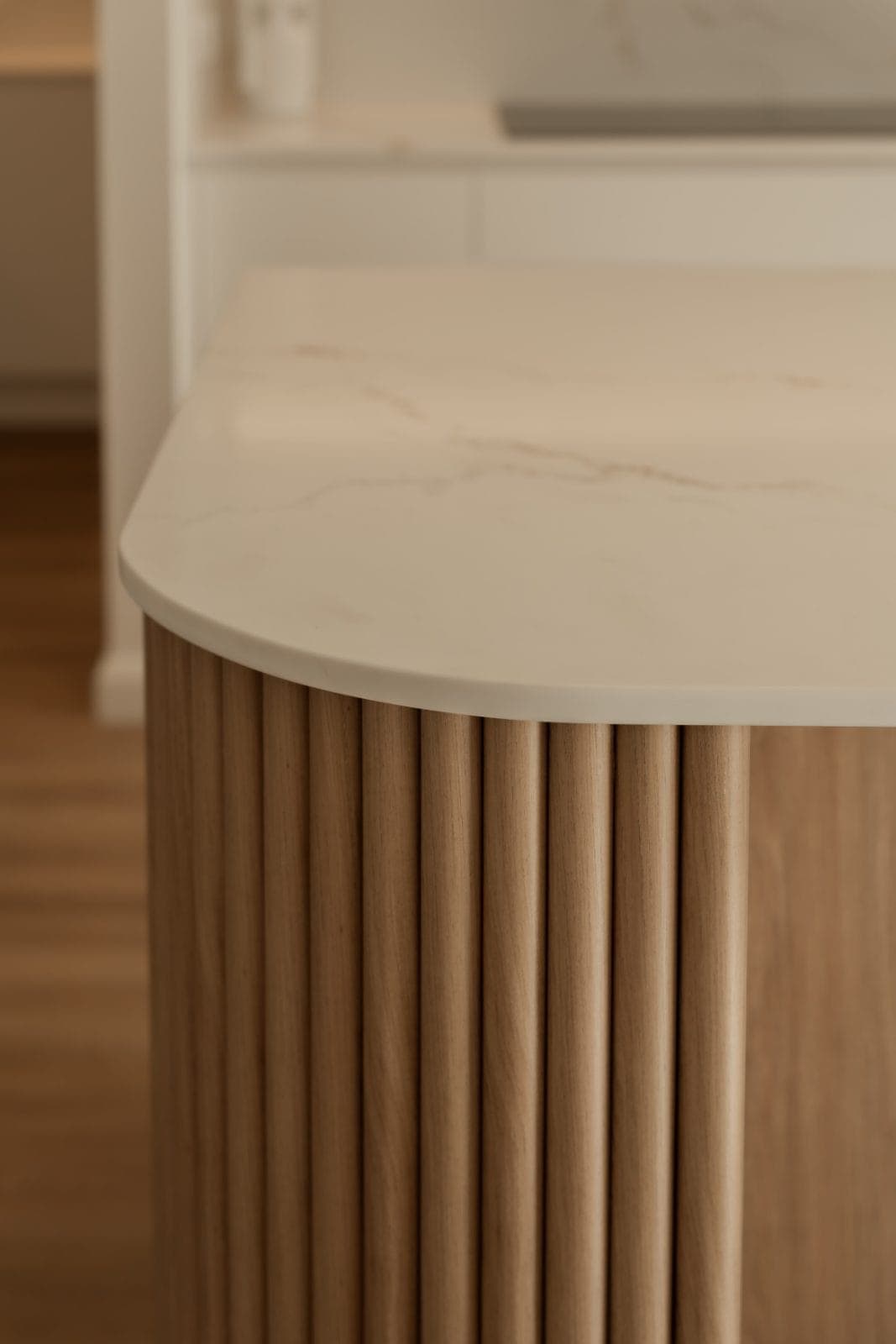
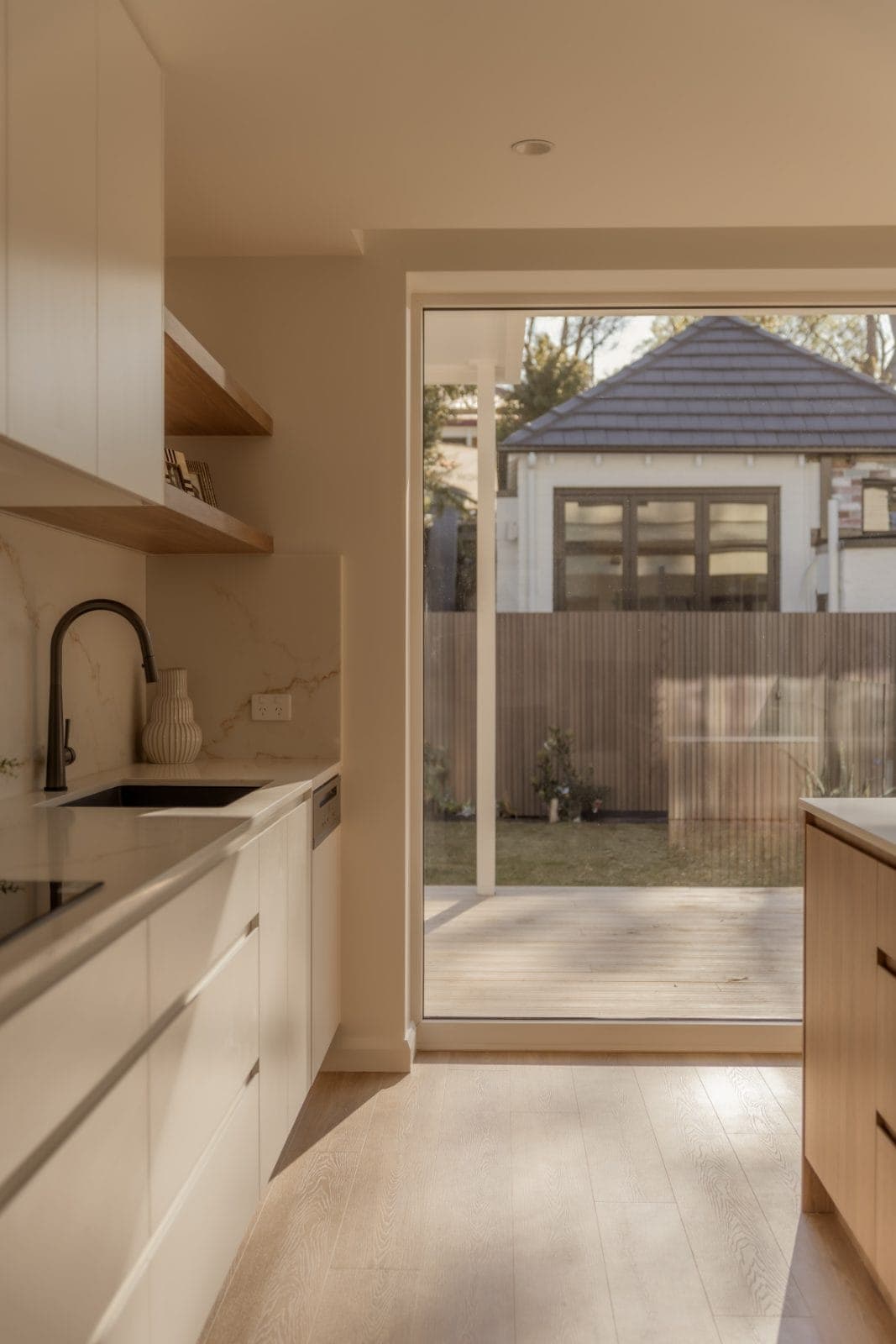
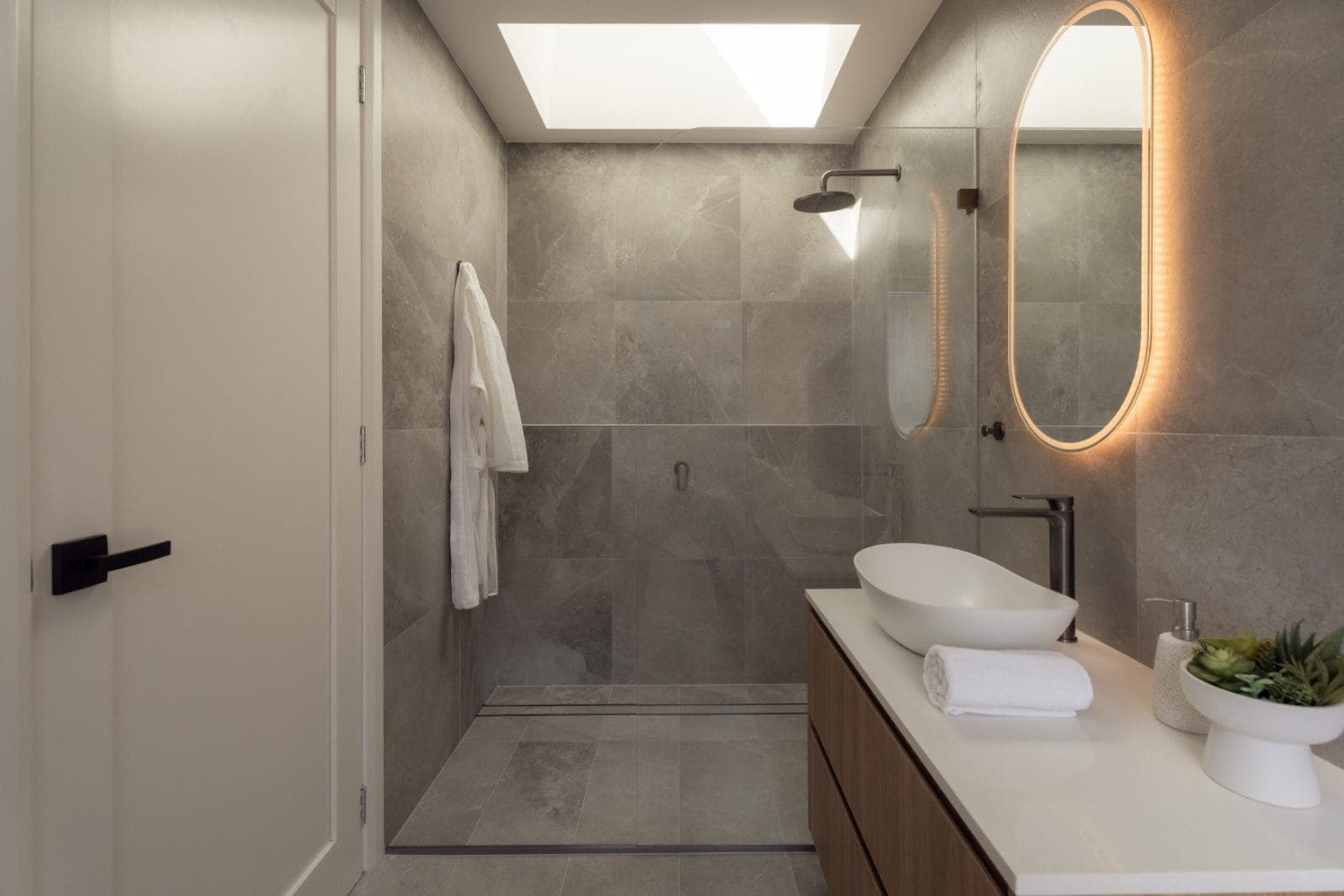
Lilyfield, Inner West Sydney. Certified passive house, completed by Marvel Homes.
“We brought on Marvel Homes on a recommendation from a consultant in the passive house industry. Through every phase the team were professional and always available. They simplified complex conversations so we were all on the same page and kept progress moving. I'd recommend Marvel Homes, and passive houses in particular.”
Glen Stewart · Google review
What changes when you live in a certified home.
Rohan and Misha moved from a home that was making them unwell into a certified Passive House in Lilyfield. Watch their story of what changed once the air, temperature and damp were finally under control.
The future of healthy, energy-efficient homes in Sydney
A plain-English introduction to what a healthy, energy-efficient home gives a Sydney family: filtered fresh air, a steady temperature in every room and far lower running costs, proven rather than promised.
questions
Frequently asked about passive houses.
What is a certified passive house builder?
+
A certified passive house builder is a builder who constructs homes to the Passive House Institute (PHI) standard and has the technical team to verify performance at completion. PHI certification requires independent third-party verification, a blower door test at 0.6 ACH or below, and full energy modelling using PHPP software. Marvel Homes has Ibrahim Amin, a Certified Passive House Tradesperson (CPHT), on every project we build.
Can I start from one of your designs, or bring my own architect?
+
Yes. You can start from one of our pre-certified Passive House designs and adapt it to your block, design from scratch with our team, or bring a designer or architect you already love and have us build it. Where you begin is up to you. Either way the home is built to the certified Passive House standard under one fixed-price contract.
How much does a passive house cost in Sydney?
+
Marvel Homes builds passive houses with construction budgets from $900K to $2M+. A certified passive house typically costs 15 to 20% more than a standard home of the same size, primarily due to the insulation, double-glazed windows, and airtightness measures. Much lower running costs over the life of the home offset much of this. We do not give ballpark numbers without reviewing your site, brief, and planning constraints.
How long does a passive house take to build in Sydney?
+
The construction phase runs around 62 weeks. Before construction, allow around 6 weeks for design development, around 4 weeks for colours and selections, and approvals running from 6 weeks (CDC) to 4 months (council DA) depending on your block.
What is the difference between passive house and a 7-star NatHERS rating?
+
The 7-star NatHERS rating is the minimum compliance requirement under the National Construction Code. It models thermal performance on paper but does not verify what is actually built. Passive house (PHI) certification goes well beyond it and involves third-party verification and a blower door test on the completed building. A 7-star home still relies heavily on mechanical heating and cooling to stay comfortable. A passive house holds a steady 20 to 25°C year-round on only a fraction of that heating and cooling.
Do you build passive houses across all Sydney suburbs?
+
Yes. Marvel Homes builds across Greater Sydney, from the Inner West and Eastern Suburbs through to the North Shore, Northern Beaches, Strathfield, Parramatta, and the Hills District. We work on sloping blocks, narrow lots, heritage-affected sites, and knock-down rebuilds. Mo Amin's civil engineering background means complex sites are manageable, not a problem.
What passive house projects has Marvel Homes completed in Sydney?
+
Marvel Homes has 10+ passive house projects across Sydney. Our Lilyfield project in the Inner West is one completed example: a custom home on a narrow lot with full passive house certification. We build five to eight homes a year by choice, with a tight team and Mo and Ibrahim across every build.
Is it a fit
Five to eight homes a year, by choice.
That means we are honest about fit before you spend. Here is who a passive house tends to be right for, and who it is not.
- Your budget is in the $900K to $2M+ range for construction, and you want it spent well.
- You want it built properly, and can plan around a construction program of about 62 weeks.
- You value measured comfort, health, and running cost over the lowest headline price.
- Lowest price is the deciding factor, ahead of comfort, health or how the home performs.
- You need a fixed build price before your site and plans have been worked through.
- You are after a project-home or off-the-plan build, not a one-off custom home.
Our build program runs about 62 weeks start to finish. That is real calendar time: it already allows for the December and January shutdown and for weather, so the actual build is shorter than it sounds. You get firm dates up front, so you can plan your finances and any rental around them.
Not sure where you sit? The lowest-risk first step is a builder-agnostic site assessment. You own the report, whoever you build with.
Different ways into the same standard.
Whatever you call it, the build is the same: measured, airtight, ventilated. These pages explain each angle, depending on what matters most to your family.
Certified Passive House
Independent PHI certification and what it verifies.
Sustainable Homes
Sustainability as measured numbers, not brochure language.
High Performance Homes
A distinct tier for clients not aiming at certified Passive House, not a discount version of it.
Energy Efficient Homes
The efficiency ladder, from 7-star to passive house.
Healthy Homes
Filtered fresh air, stable humidity, no mould.
Passive House Designer
The independent designer who models and certifies your home to PHI.
Passive house builds in the parts of Sydney where we build most often.
Is your site a fit for a Passive House?
Passive House performance depends on the site as much as the build. Marvel assesses knock-down rebuilds, narrow lots and sloping blocks across the Inner West, North Shore, Eastern Suburbs, Hills District and Northern Beaches. If a site is not a good candidate for certified Passive House performance, we will say so early, before design fees are spent.
Ready to talk about your site?
We build five to eight homes a year, by choice. Send us your block and brief and Mo will tell you quickly whether it is a fit.