
What actually happens when you build, in the order it happens.
A custom home or knockdown rebuild moves through the same stages, whoever builds it. Knowing what each stage decides, who carries it, and where the money really commits is the difference between feeling in control and feeling managed. Here is the whole arc, from a blank block to the keys.
The whole arc
Nine stages, from a blank block to the keys.
The first half happens on paper, where changes are cheap and most of your cost, comfort, and timeline are quietly decided. By the time you are on site, the big decisions are already locked. That is why the early stages matter far more than they look. Tap any stage to jump to it.
Most of your cost is committed on paper, long before site. Decisions are cheap to change early and expensive to change once they are locked in.
Stage by stage
What each stage really decides.
Each stage shows what happens, what it decides, who handles it, and roughly when. Open Inside this stage to see the real detail behind it. The sequence can flex by team, but every step is required regardless of who builds.
Groundwork
Early, and the timing depends on how fast councils and consultants return reports.
What happens
Before a single line is drawn, two things run together: you get clear on what the home must do for your family, and you find out what the land will actually allow. Surveys, searches, and specialist reports build a true picture of the block, so the design that follows is based on reality, not hope.
What it decides
Whether the project is even feasible, the block's real constraints and opportunities, and the brief that every later decision is measured against. An error here is inherited by every stage after it.
Who handles it
Your builder or designer coordinates it and pulls in a surveyor, town planner, and engineers as the site needs. On a Marvel build, two engineers read the structural, geotechnical, and drainage reports themselves.
Inside this stage+
- Brief
- Planning certificate (10.7), the rules that apply to your land
- Survey
- Title search
- Sewer diagram
- Site inspection report
- Dial Before You Dig
- Hydraulic engineer desktop audit
- Town planner report
- Arborist, flood, acoustic, heritage and fauna reports (only the ones your site triggers)
- Private certifier brief check
Design
Around six weeks of focused design, longer if the brief keeps moving.
What happens
The brief becomes a home. Across a series of design sessions the floor plan, then the elevations, take shape, tested against how your family actually lives and what the site allows. Consultants are checked in along the way so the design stays buildable.
What it decides
The shape of the home, and with it most of its comfort and performance. Orientation and the building shell are set here, and they are the things that are expensive or impossible to change later. This is the cheapest moment to get performance right.
Who handles it
Your architect or building designer leads the creative. Where a builder is involved early, as on a Marvel build, the design is pressure-tested for cost and buildability as it is drawn, not after.
Inside this stage+
- Design direction and style
- Floor plan sessions
- Elevation sessions
- Consultants check
- Tender floor plans sign-off
Tender and preliminary works
After design sign-off. The preliminary works agreement itself is short.
What happens
With the plans signed off, you receive a detailed proposal presented in person, so you can ask anything. If you proceed, a small preliminary works agreement funds the detailed documentation and engineering that turns an estimate into a real, contractable price.
What it decides
Your first real number, and whether to invest in resolving the detail before committing to the full build. This is the honest alternative to chasing the cheapest quote on finished drawings.
Who handles it
Your builder prepares and presents it. A trustworthy one walks you through the assumptions and allowances, rather than handing over a single headline figure.
Inside this stage+
- Tender presentation in person
- Preliminary Works Agreement (PWA)
Detailing the home
Selections take around four weeks of focused choosing and often overlap the end of design.
What happens
Two streams run in parallel. The technical side finalises and fully documents the design: architectural, structural and hydraulic plans, plus the small decisions that prevent on-site surprises, like where the hot water unit, air conditioning, rainwater tank and pool equipment actually sit. The selections side is where you choose what makes the home yours: fixtures, appliances, lighting, joinery, stairs and finishes, recorded in one schedule so nothing is missed.
What it decides
This is where the price becomes real and where most of your allowances are actually spent. Every selection documented now is a number that is known, not guessed. Cost certainty is won or lost here: a fully specified set of documents is what lets the contract that follows be genuinely fixed.
Who handles it
Your builder and design team document the technical package while an interior designer guides selections. On a Marvel build it runs as one coordinated process, so the technical and the aesthetic do not contradict each other.
Inside this stage+
Construction documents
- Design finetune and completion
- Interior design kickoff with Nancy
- External colours sign-off
- Windows and doors sign-off
- Concrete pad locations (hot water, air conditioning, rainwater tank, pool equipment)
- Landscape sign-off
- Architectural plans sign-off
- Hydraulic engineering plans sign-off
- Structural engineering
Colours and selections
- Plumbing fixtures
- Appliances
- Interior design showroom consult
- Lights and pendants
- Stairs sign-off
- Joinery sign-off
- Complete selections schedule
- Interior design office consult
- Electrical consult
Contract
After documentation and selections are complete.
What happens
With the home fully documented and every selection priced, you sign the building contract. Because the detail was resolved first, the fixed price is real, not a placeholder that drifts upward on site. The contract and its special conditions are also what your bank needs to release funds.
What it decides
The legal and financial backbone of the build: scope, price, payment stages, and your protections. A genuine custom home still carries some allowances and provisional sums, because a few costs cannot be known until work begins. What matters is that they are documented, specified, and agreed in advance.
Who handles it
Your builder prepares the contract, commonly an HIA contract in NSW, and you, often with your bank and solicitor, review it. Your required home warranty insurance certificate belongs here too, before you pay.
Inside this stage+
- Draft HIA contract and special conditions for the bank
- Proof of funding letter
- Building contract sign-off
Site preparation
A short, defined window once approvals are in place.
What happens
If there is an existing house, it is safely disconnected and removed before construction. Services are abolished, the home is decommissioned, and a licensed demolisher clears the site, handling asbestos safely where it exists.
What it decides
A clean, safe, legally cleared block to build on. Mostly procedural, but skipped steps like neighbour notice or asbestos clearance cause real delays.
Who handles it
Your builder books and coordinates the licensed demolition contractor and the service disconnections. The certifier issues the required notices.
Inside this stage+
Move out
- Gas abolishment
- NBN disconnection
- Book demolition company
- Consent to neighbours via certifier
Demolition
- Demolition certificates and licence
- Demolition clearance certificates
- Asbestos clearance certificate (if any)
Approvals
Around six weeks for a CDC, up to about four months for a council DA. Approvals often run alongside design rather than strictly after it.
What happens
Your plans go to an approval authority for permission to build. A Complying Development Certificate (CDC) is faster but only available when the design fits set rules. A Development Application (DA) to council is required for anything outside them. A Construction Certificate then confirms the technical detail before work starts.
What it decides
Whether, and exactly how, you are allowed to build. Conditions attached to approval can change details, so it pays to know your path early.
Who handles it
A private certifier for a CDC, or council for a DA, with your designer or builder preparing documents and managing conditions. The right pathway should be confirmed back at Groundwork, not discovered here.
Inside this stage+
Complying Development Certificate (CDC)
- Client completes CDC and NOC forms
- Long service levy
- Council contribution
- Certifier (PCA) sign-off
Development Application (DA)
- Architectural plans
- Stormwater plans
- Landscape plans
- Sediment control plan
- Shadow diagrams
- Arborist
- Acoustic
- BASIX certificate
Construction Certificate (CC)
- Review consent conditions for any variations
Construction
Around 62 weeks for a Marvel custom home, depending on size and complexity.
What happens
The home is built in sequence. Payments are staged against work that is actually complete, and the build is inspected at each critical point. On a high-performance home, airtightness is tested through construction, not just at the end, so problems are found while they are still cheap to fix.
What it decides
Whether the home you designed is the home you get. Quality, performance, and your experience of the build all live here.
Who handles it
Your builder runs the site and the trades. On a Marvel build, Mo or Ibrahim is personally on site at every critical stage, inspecting against the passive house standard.
Inside this stage+
- Site setup
- Slab
- Frame
- Building envelope
- Lining
- Fix out
- Fit out
- Landscape
How the home comes together on site
Handover and beyond
At completion, then an ongoing maintenance rhythm.
What happens
Before you get the keys, the home is finished and walked through together. A practical completion inspection lists anything to be addressed, those agreed items are completed, and then the home is handed over: keys, manuals and how everything works. For a certified passive house, the performance is tested and confirmed before you move in.
What it decides
That the home is genuinely finished to standard before you move in, and that the performance modelled on paper is the performance you live in, with proof.
Who handles it
Your builder runs the inspection and completes the agreed items. The certifier issues the occupation certificate, and for a passive house an independent third-party certifier confirms the result.
Inside this stage+
- Practical completion inspection (PCI) walkthrough
- Agreed pre-handover items completed
- Final blower-door test toward 0.6 ACH
- Ventilation commissioning
- Handover: keys, manuals and brochures
- Occupation certificate
- Independent Passive House certification
- Defects and warranty period
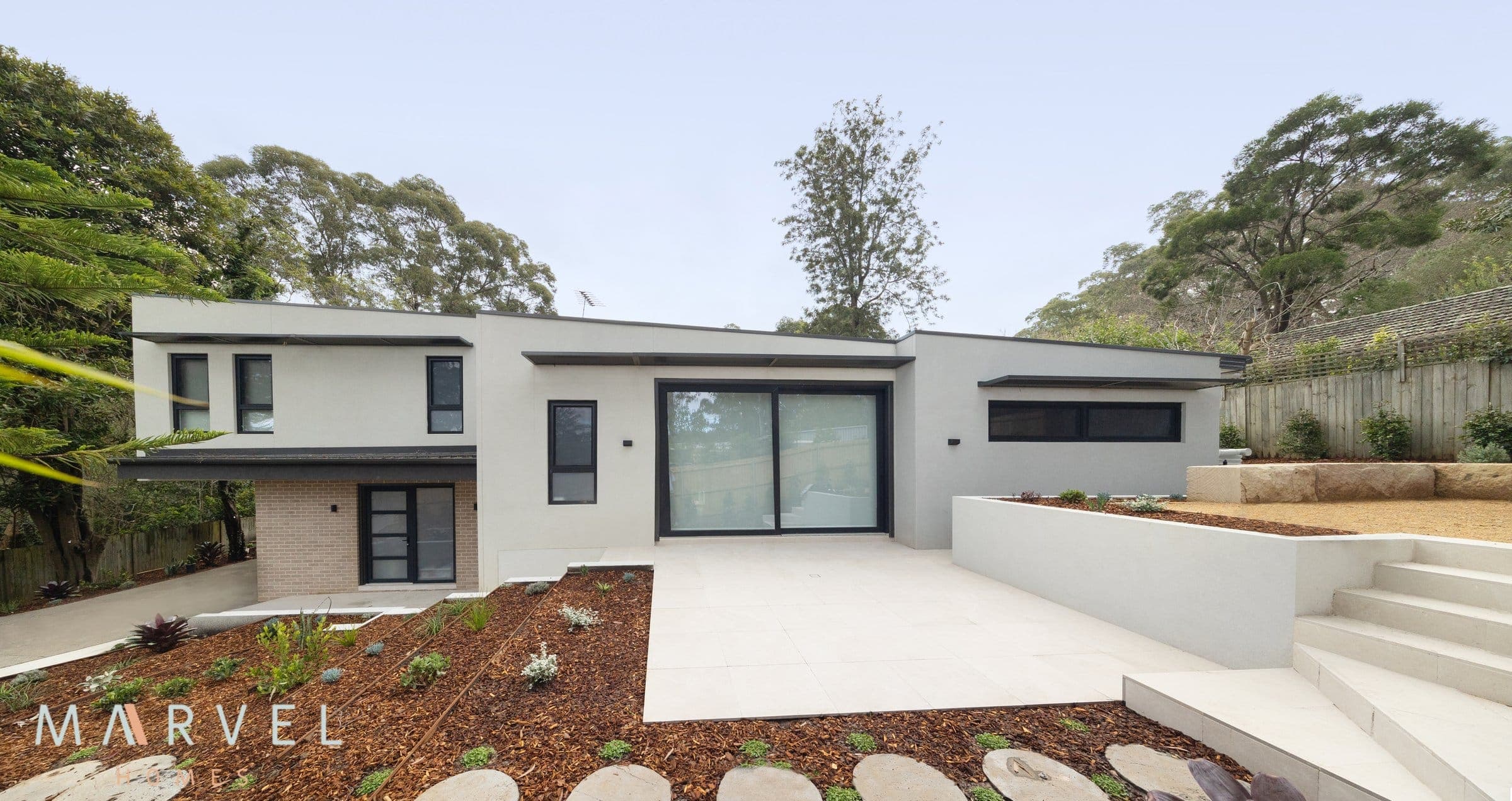
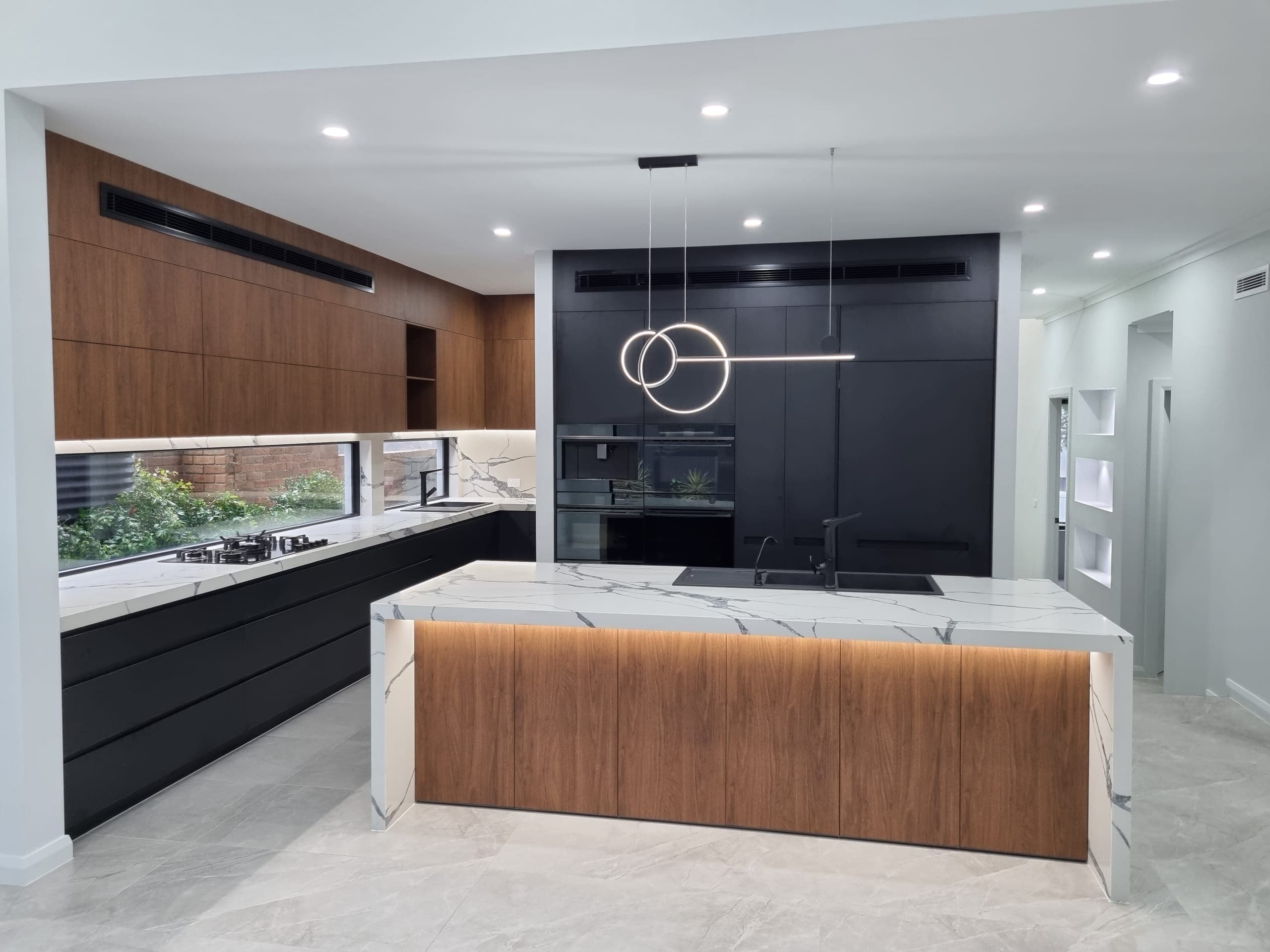
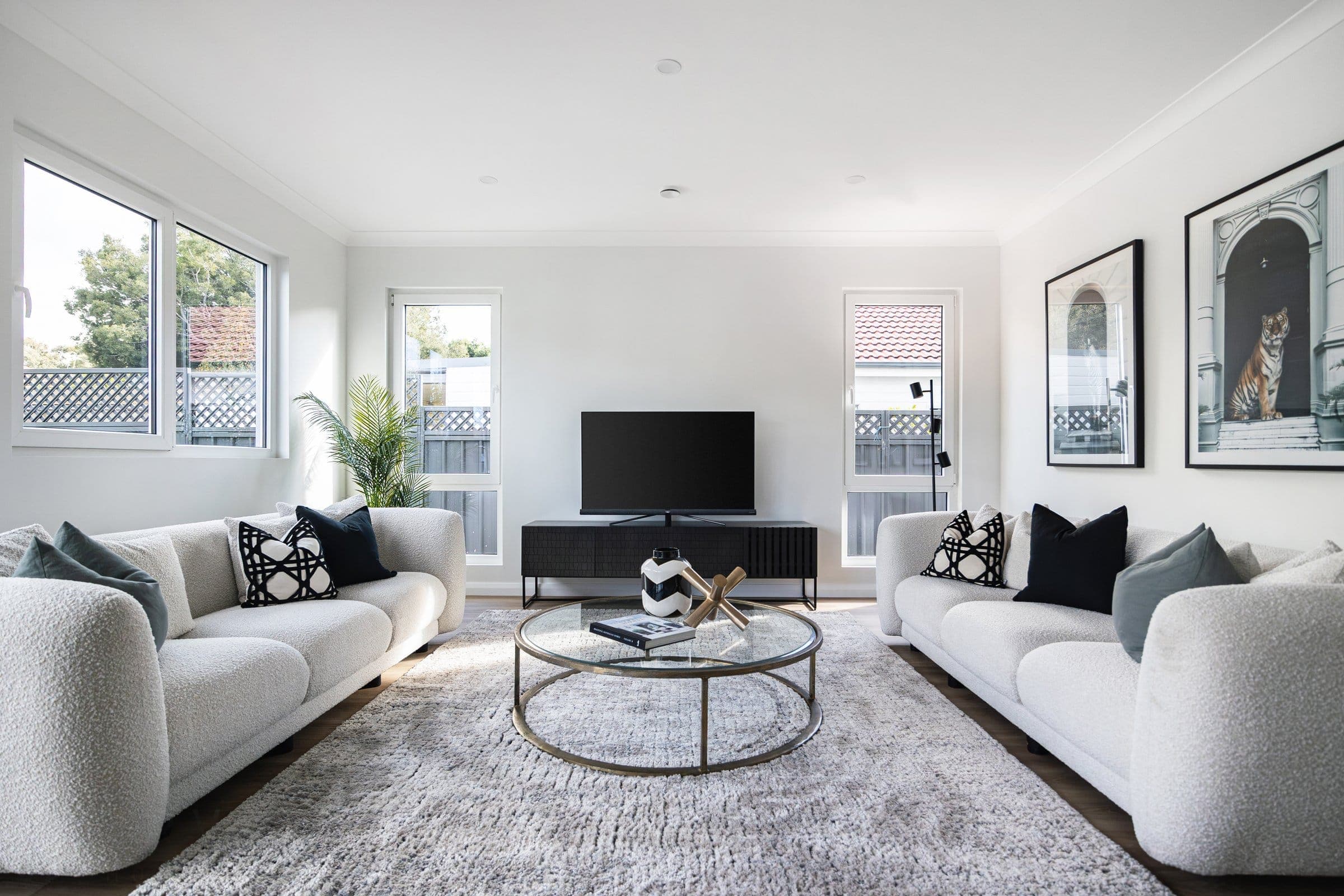
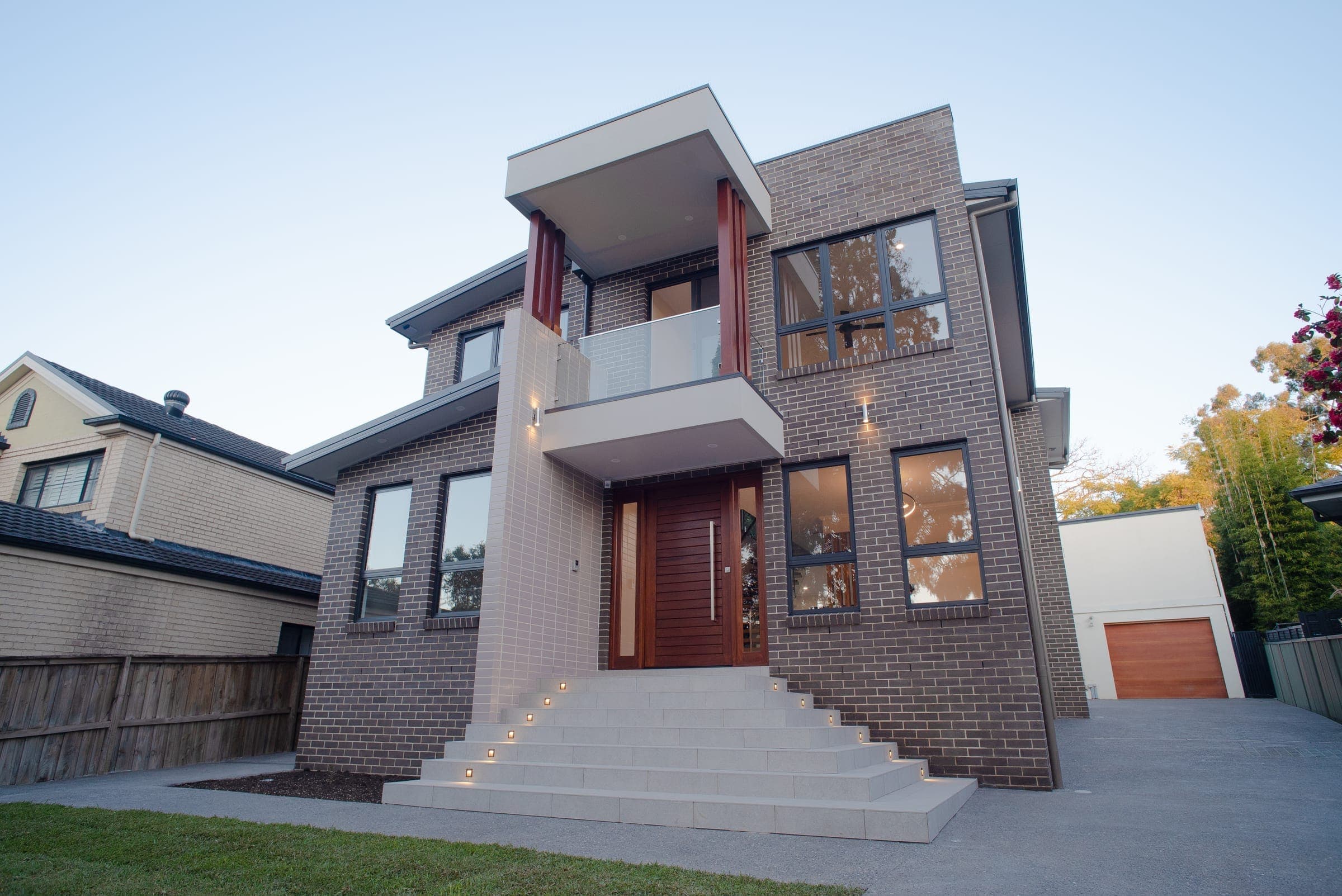
Recent homes across Sydney. Each one taken through every stage, from design to certification. View all projects →
Not sure where you are on the arc?
The hardest part is knowing what your block allows and which stage you are really at. A short, honest conversation is the lowest-risk first step. We will tell you straight, even if a Marvel build is not your fit.
Why we hold both
The gaps between these stages are where most projects lose time and money.
Look at the arc and the risk is obvious. It lives in the handovers: brief to design, design to price, price to site. Every time a stage is thrown over a wall to a party who re-prices or re-engineers it, weeks and dollars leak out. The most expensive version is a design locked and approved before the people who build and price it were ever in the room.
We are built to close those gaps. Two UNSW-trained engineers, a civil and a mechanical, both licensed builders, holding design and construction as one team. We read the reports ourselves at Groundwork, price the home honestly as it is drawn, and stay personally on site through construction. Every qualifying home is built to the Passive House standard and independently certified.
Common
questions
The build process, answered.
Tap a question to open it.
How long does it take to build a custom home in Sydney?
+
It depends on the site, the approval path, and the brief. Construction itself runs around 62 weeks. Before that, design takes around six weeks, approvals run from six weeks for a CDC to about four months for a council DA (often alongside design), and colour and material selections take around four weeks.
When do I choose colours and finishes?
+
During the Detailing stage, after the design is signed off and as the documentation is finalised. It is around four weeks of focused choosing and often overlaps the end of design, so your selections are priced into the contract rather than guessed at later.
Can the order of these stages change?
+
The sequence can flex depending on the team. Selections often overlap design, and approvals frequently run alongside it. But every step on this page is required regardless of who builds your home. The difference between teams is how well they sequence and document them, not whether the steps exist.
What does pre-construction actually mean?
+
It is everything before site: design, tender, detailing, selections, contract, and approvals. It is where the design is fully documented and priced so the contract is genuinely fixed, with no open allowances waiting to expand once trades are on site.
Where do builds usually lose time and money?
+
In the handovers between stages: brief to design, design to price, price to site. Projects stall when feasibility was not confirmed before design, or when a finished design is handed to a builder who then re-prices and re-engineers it. Holding design and construction under one team closes those gaps.
Do I need a DA or a CDC?
+
It depends on your block and design. A Complying Development Certificate (CDC) is faster, around six weeks, but only available where the design fits set rules. A Development Application (DA) to council is needed for anything outside them and usually takes two to four months. The right path should be confirmed at Groundwork, before design begins.
Start at stage one.
The first stage is a conversation about your block and your brief. Book it and we will tell you honestly whether a Marvel build is the right fit.
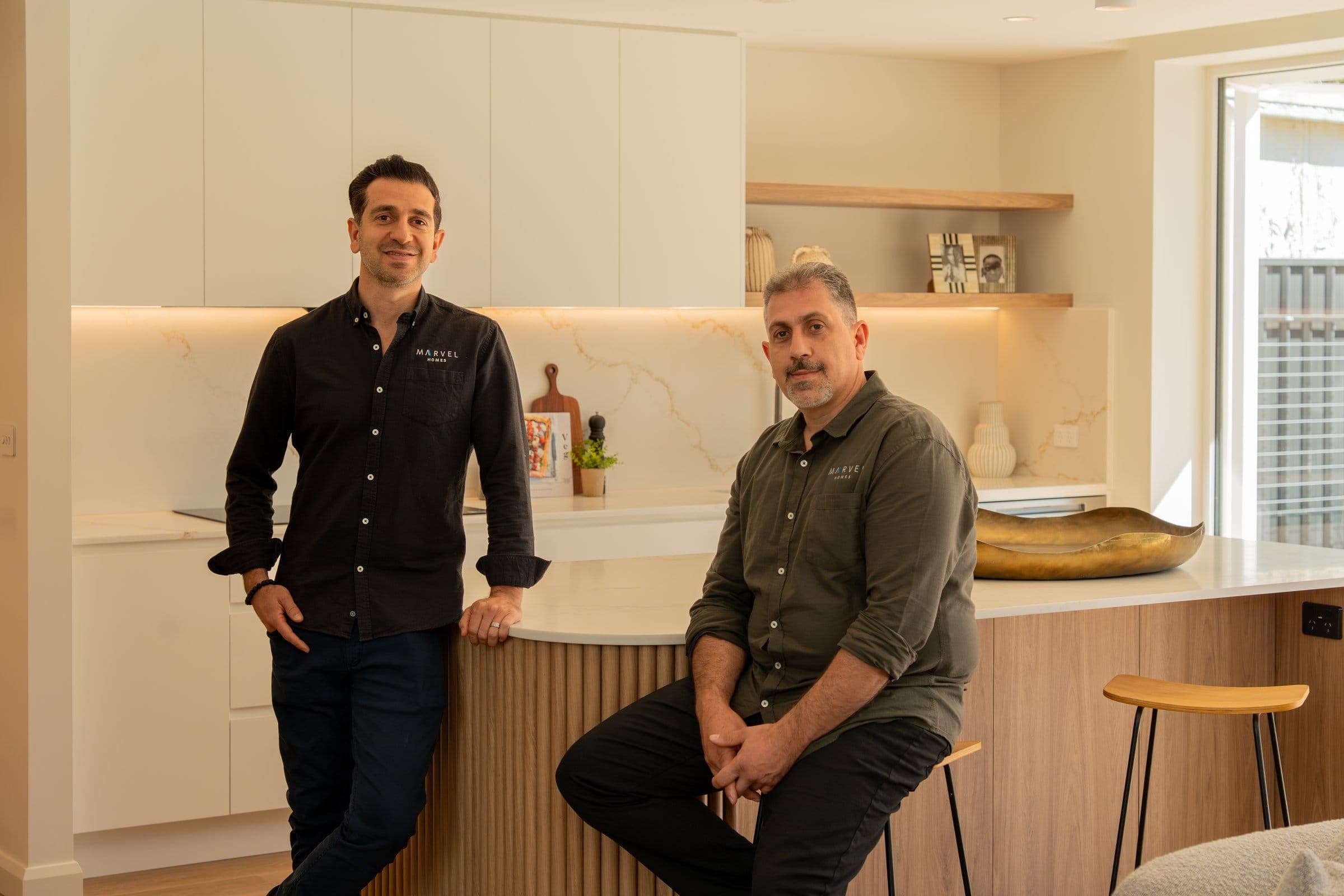
Mo Amin + Ibrahim Amin
Engineers · Licensed Builders · Certified Passive House Tradesperson