
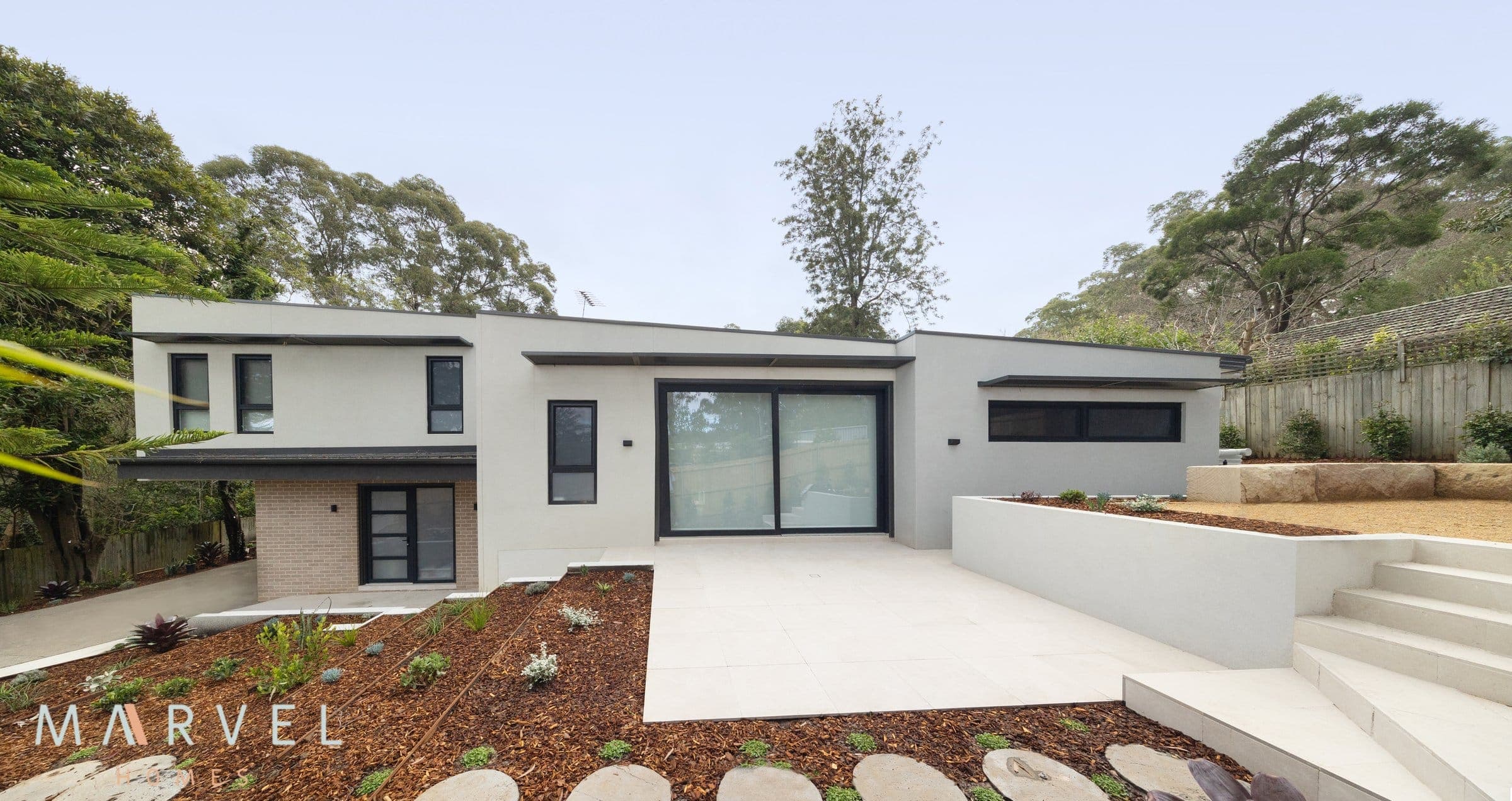
Certification is third-party verification that the house was actually built to spec.
There are many builders who say 'built to Passive House principles'. Very few lodge the evidence with the Passive House Institute and let an independent certifier sign off on it. Marvel Homes lodges for PHI certification on every project where a client wants it measured and proven, and builds to a high-performance standard, without the certified claim, when they don't.
Start a conversationDocumented, independent proof of performance.
Passive House certification is not a marketing label. It is a documented, third-party review of the PHPP energy model, the construction details, the product selections, and the measured blower-door results. The certifier either signs off, or they don't.
For the owner, this becomes a durable asset: proof of airtightness for insurance, a certified energy profile for valuation, documented ventilation commissioning for health and comfort claims, and portable evidence if the house is ever sold. The cost uplift for certification is small next to the value it locks in.
The three certification levels (PHI 2020+)
- Classic: the original benchmark, 15 kWh/m²·yr heating, 0.6 ACH50, no renewable generation requirement
- Plus: adds a minimum generation and primary-energy-renewable cap. Suitable for most Sydney sites
- Premium: highest spec, exceeds generation target by a wide margin. Typically requires larger roof area
Four stages, from concept to certificate.
Energy model built in parallel with the DA drawings. If we cannot hit the target, you know before lodgement.
All thermal envelope products specified with certified thermal values. No substitutions without PHPP re-run.
Two blower-door tests (pre-lining and final). MVHR balancing records. Photo documentation of every airtightness layer.
Package lodged with PHI-accredited certifier. Certificate issued with the house address on it.
'Passive House principles' vs PHI-certified build.
| Factor | Principles-only build | PHI certified build |
|---|---|---|
| PHPP model | Often not built, or built once at DA | Built at concept, updated through construction |
| Blower-door test | Sometimes, not always | Mandatory, pre-lining and final |
| Independent review | None | Third-party PHI-accredited certifier |
| Product substitutions | Builder's discretion | Only if PHPP re-run supports it |
| Outcome on resale | Claimed performance | Documented, portable certificate |
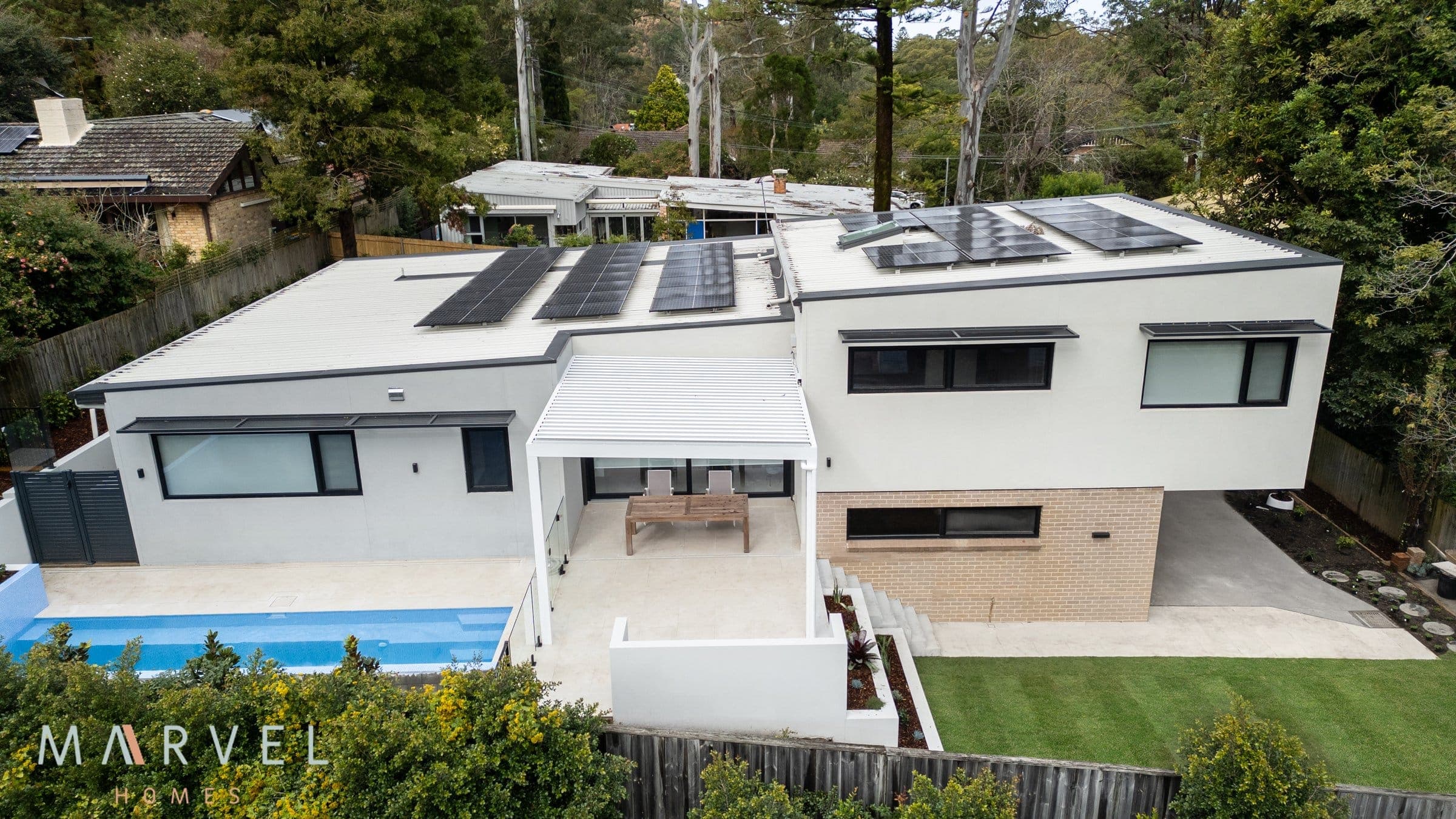
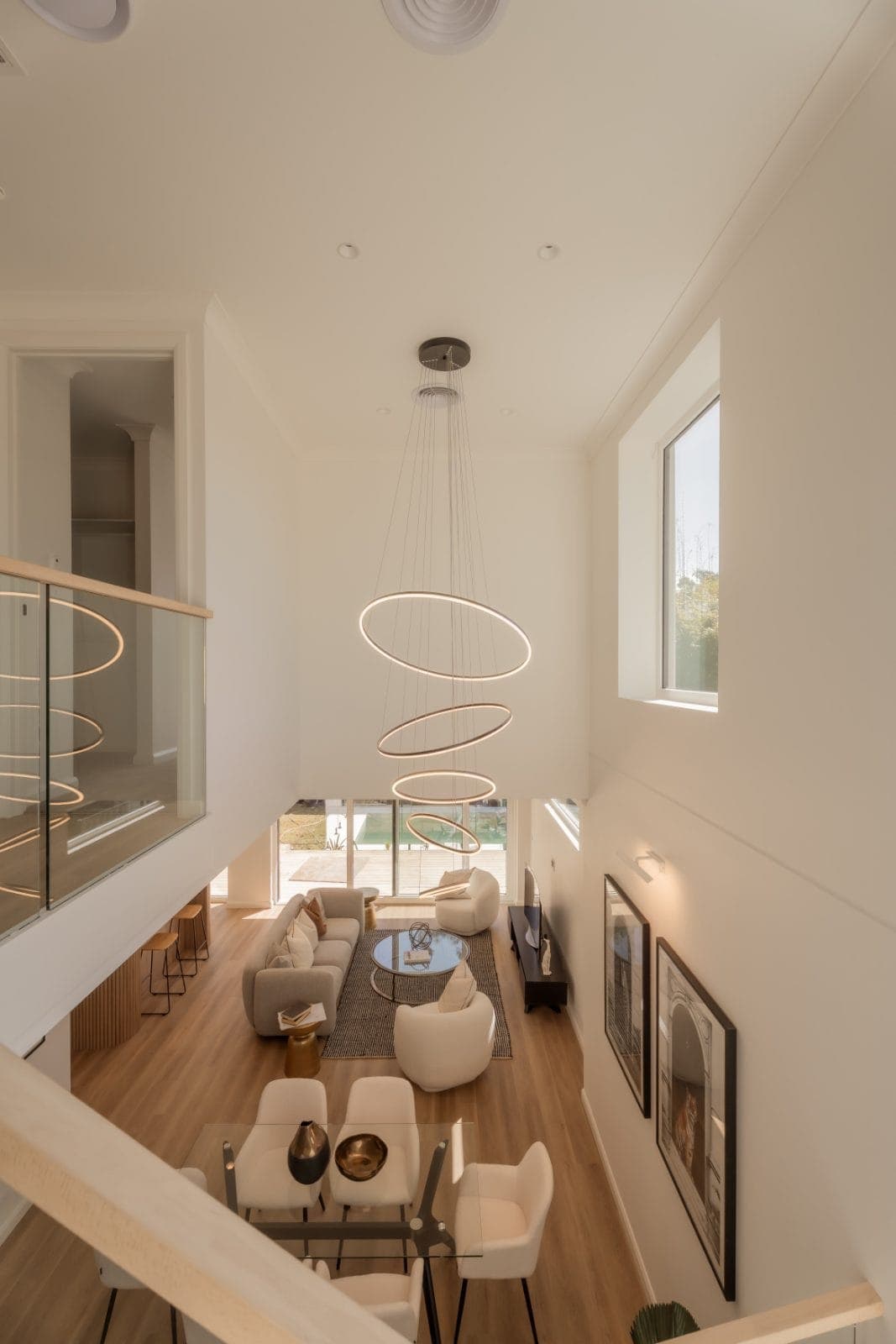
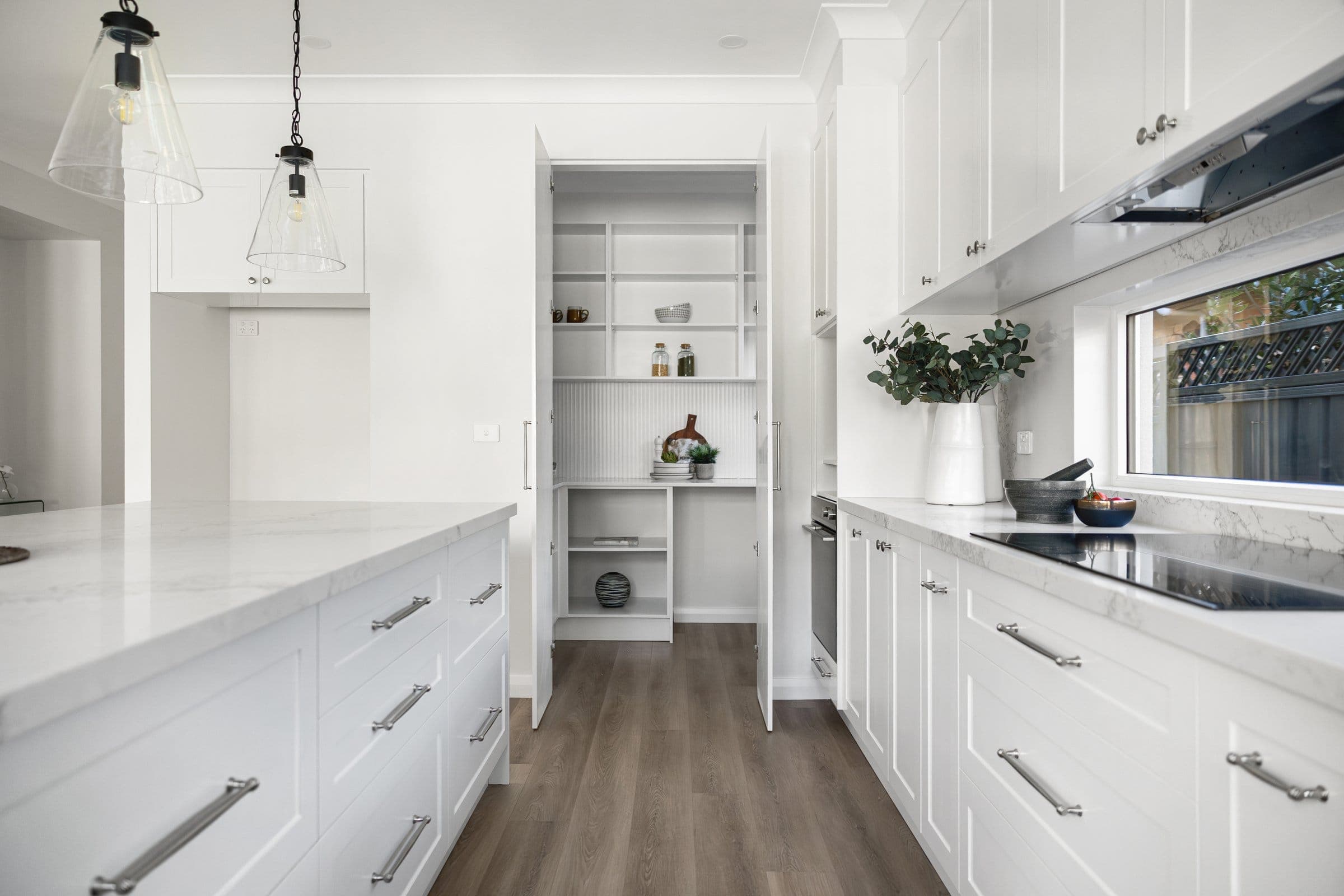
Certified homes we have delivered across Sydney.
Each one was modelled in PHPP, built to the documented standard, and blower-door tested on completion before an independent certifier signed it off.
We brought on Marvel Homes on a recommendation from a consultant in the passive house industry. Through every phase the team were professional and always available. They simplified complex conversations so we were all on the same page and kept progress moving. I'd recommend Marvel Homes, and passive houses in particular.
Glen StewartIs it a fit
Five to eight homes a year, by choice.
That means we are honest about fit before you spend. Here is who a certified passive house tends to be right for, and who it is not.
- Your budget is in the $900K to $2M+ range for construction, and you want it spent well.
- You want it built properly, and can plan around a construction program of about 62 weeks.
- You value measured comfort, health, and running cost over the lowest headline price.
- Lowest price is the deciding factor, ahead of comfort, health or how the home performs.
- You need a fixed build price before your site and plans have been worked through.
- You are after a project-home or off-the-plan build, not a one-off custom home.
Our build program runs about 62 weeks start to finish. That is real calendar time: it already allows for the December and January shutdown and for weather, so the actual build is shorter than it sounds. You get firm dates up front, so you can plan your finances and any rental around them.
Not sure where you sit? The lowest-risk first step is a builder-agnostic site assessment. You own the report, whoever you build with.
Frequently asked
- Typically 0.5 to 0.8% of construction cost. That covers certifier fees, additional documentation, and the second blower-door test.
Worth certifying? Let's look at your site first.
Certification is not right for every project. We will tell you plainly whether yours is a good candidate.