
What you are allowed to build, and how long it takes.
Before a home can be built in NSW, the planning system decides what is permitted, which pathway you take, and how long the wait will be. Read the controls before you design and approval becomes a formality. Skip that step and it becomes the most expensive surprise of the project. Here is the whole picture, in plain English.
01 · The pathways
There are three ways to get approval. Yours depends on your block.
Every NSW project lands on one of three pathways. The closer your design sits to the standard state rules, the faster and more certain the approval. The further it strays, or the more your site is constrained, the more it leans toward a full council assessment. Knowing which one is yours, before you design, sets the timeline for the whole project.
Every build starts the same way.
The first thing you order is a Section 10.7 Planning Certificate, the document councils used to call a 149. It lists the planning rules on your specific block: its zoning, the controls that apply, and whether constraints like flood, bushfire or heritage are mapped over it. What it shows is what sends you down one path or another. So the whole journey starts here, then flows down.
Pull your 10.7 certificate
Is it minor, low-impact work within the fixed state limits?
Exempt
Minor works only. A new home does not qualify.
Does it meet every standard state rule, with none of the flood, bushfire or heritage flags from your 10.7?
On a knockdown rebuild you are almost always choosing between CDC and DA. The cleaner your 10.7, the more likely the fast CDC path is open to you.
Exempt development
No application
Minor, low-impact work that sits inside a fixed set of state limits, like a small deck, a garden shed, or internal alterations. If your project genuinely qualifies, you can build without any approval at all. A new home or a knockdown rebuild does not.
Complying development (CDC)
20 days · 10 for Pattern Book
A combined planning and construction approval for straightforward homes that meet every rule in the Codes SEPP, the state's standard rulebook for fast-track approval. It is determined by an accredited certifier or council, not assessed on merit. Faster and far more certain, but only if your block and design comply on every single measure.
Development application (DA)
~70 days average, often longer
Required whenever the design steps outside the Codes SEPP, or the site carries heritage, flood, bushfire or significant-tree constraints. Council assesses it on merit and neighbours can comment. More flexible on design, but slower, and it is only the first of two approvals you will need.
02 · The controls
Four controls decide what your block allows.
These rules differ by council and by site. Read together, before design, they tell you what is possible, what is a fight, and what is simply not allowed. Reading them correctly is where a custom builder earns its fee.
LEP
The legal framework for your land: its zoning, maximum height, and floor space ratio. This is the starting point for what is even permissible on the block.
DCP
The detailed design rules that sit under the LEP: setbacks, site coverage, landscaping, privacy, and parking. This is where most day-to-day design decisions are won or lost.
SEPPs
State-level rules that override or sit alongside council controls. The Codes SEPP defines what qualifies as complying development, and the Sustainable Buildings SEPP sets your BASIX targets.
Overlays
Site-specific constraints mapped onto your land and listed on your 10.7 certificate. They can rule out the fast CDC pathway entirely and reshape the design. Far better identified at the start than discovered late.
Some controls carry a cost as well as a design consequence. Stormwater rules, for example, can require an on-site detention (OSD) tank, and its size, and therefore its cost, scales with your block and the drainage around it. We cover those budget impacts on the cost to build page.
03 · BASIX
Every new home has to prove it performs.
BASIX, the Building Sustainability Index, is a mandatory NSW requirement that sets targets for energy, water and thermal comfort on every new dwelling. You generate the certificate through the NSW Planning Portal, and you cannot lodge a CDC or DA without it. The targets now align with a 7-star NatHERS energy standard, raised in recent years to lift the floor on comfort and running costs.
For most builders, BASIX is a box to clear at lodgement. For us it is a floor we are already well above. A home built to the Passive House standard meets BASIX comfortably as a byproduct, because the airtightness, insulation and glazing that pass the test are the same things that make the home quiet, draught-free and cheap to run for its whole life.

Get the rules right at the start, and approval becomes the calm part of building your home.
04 · The sequence
Approval is not one step. It is four.
Getting a yes is only the start. A DA carries a separate technical sign-off before work begins, and a certifier stays involved right through to the day you move in. A CDC bundles the first two steps together, but the rest still applies.
CDC or DA
Planning approval
A CDC, or a DA decided by council. This is the yes: confirmation that what you want to build is allowed.
Before work starts
Construction Certificate
The technical sign-off that the detailed plans and engineering meet the building rules. A DA needs this as a separate step before any work begins. A CDC already includes it.
Through the build
Construction + inspections
Building begins. A principal certifier is appointed and inspects the work at set critical stages, slab, frame and the like, to confirm it is built to the approved plans.
At handover
Occupation Certificate
The certifier confirms the home is complete and safe to live in, and issues the certificate that lets you legally move in.
05 · Timelines
How long it really takes.
These are the statutory clocks. The catch is that the clock only starts once your documentation is complete and correct, which is why a well-prepared submission beats a rushed one every time.
| Pathway | Who assesses it | Assessment | Neighbour notice |
|---|---|---|---|
| CDC (standard) | Accredited certifier or council | 20 days | 14 days |
| CDC (Pattern Book) | Accredited certifier or council | 10 days | 7 days |
| DA (ordinary) | Local council | ~70 days average | 14 to 28 days |
| DA (integrated / complex) | Council plus state agencies | 60 to 120+ days | Varies |
The 10-day Pattern Book pathway is a 2025 reform for low-rise homes built from approved standard designs. For a bespoke knockdown rebuild, plan around the standard CDC or DA figures.

Confirm the pathway before you commit, and you build with the surprises already behind you.
06 · The delays
Why approvals stall, and how to avoid it.
Almost every approval delay traces back to a handful of avoidable causes. None of them are about the system being slow. They are about work that should have happened earlier.
Designing before reading the controls
The most common and most expensive mistake. A design drawn without checking the LEP, DCP and overlays can need reworking late, or be refused outright. Read the rules first, design second.
Incomplete documentation
The statutory clock does not start until the certifier or council confirms every required document is in. A thin or messy submission simply waits. Complete and correct beats fast and rushed.
Site constraints found late
Heritage, flood, bushfire or a significant tree can push a project off the fast CDC path and onto a full DA. Discovered at the start, it is a design input. Discovered late, it is a delay and a redraw.
Neighbour objections
On a DA, neighbours can comment, and unresolved concerns about privacy, overshadowing or bulk can extend assessment. A design that respects the controls and the neighbours gives them little to object to.
Treating approval as separate from the build
When the approval is chased before the people who build and price the home are involved, conditions and re-engineering surface after the fact. The pathway should be confirmed before design, not after.
Not sure which pathway is yours?
The fastest way to know is to read the controls on your specific block. We do this at the very start of every project, before a single line is drawn. A short, honest conversation will tell you where you stand.

07 · Our approach
We read the controls before we draw a line.
Mo Amin is a Civil Engineer and Licensed Builder who handles documentation, pricing and council approvals across every project. The planning controls, overlays and constraints are reviewed as part of the initial site investigation, so the design works with the rules from the first sketch. That is how avoidable DA conditions and refusals are designed out, rather than discovered.
It also means the pathway is confirmed before you commit. You know whether you are on a CDC or a DA, what it will take, and roughly how long, before the design is locked. No surprises arriving after the plans are done and the budget is set.
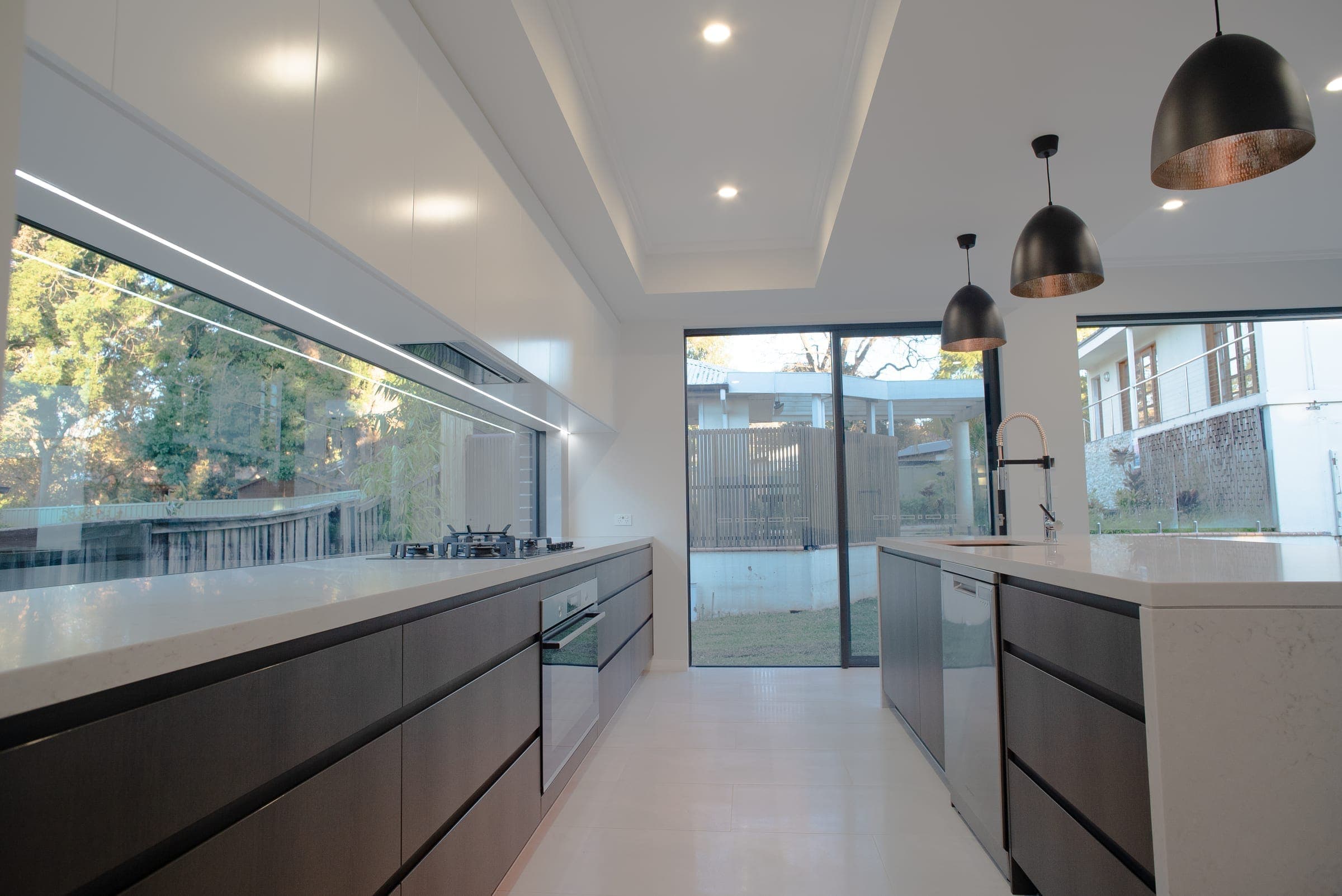
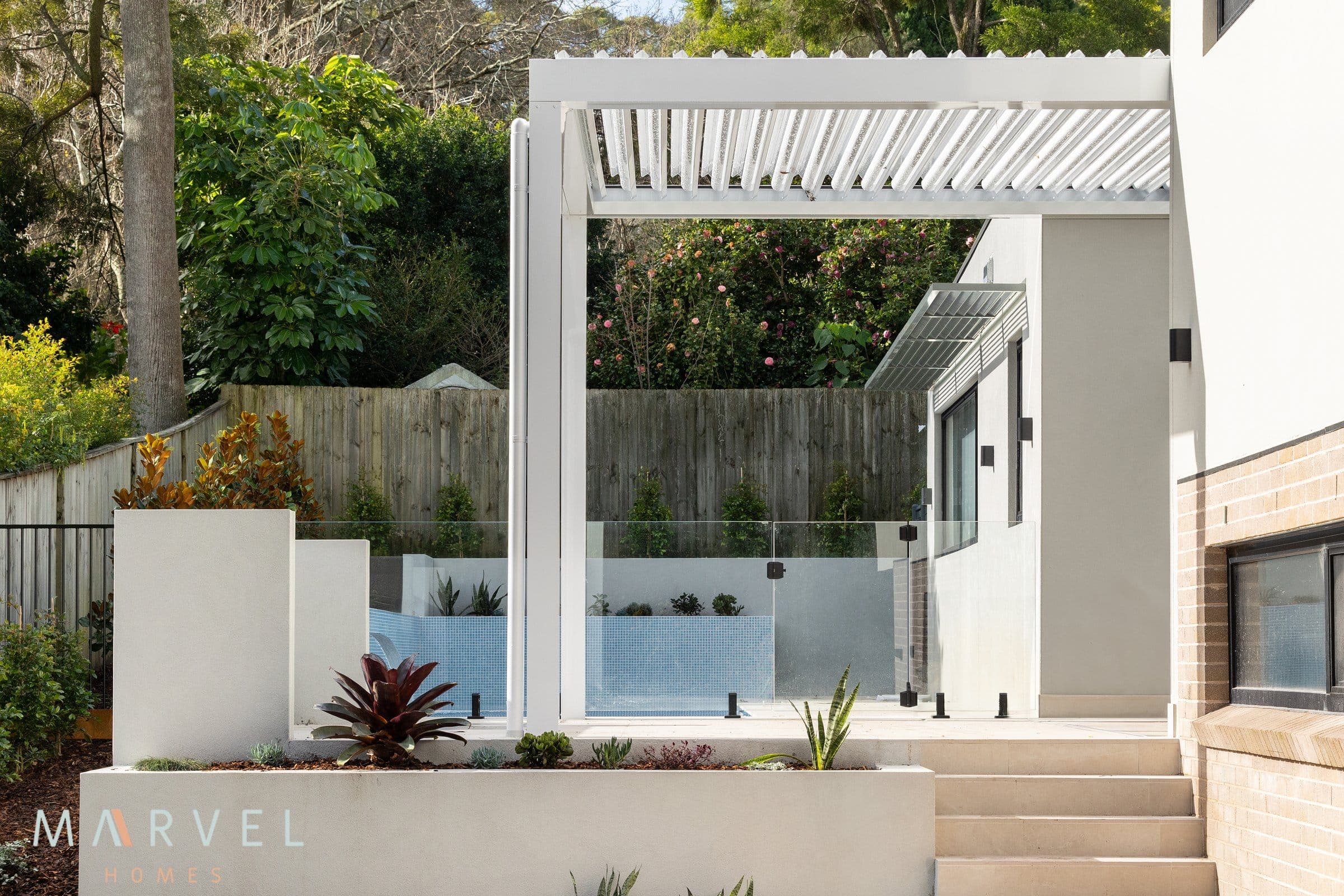
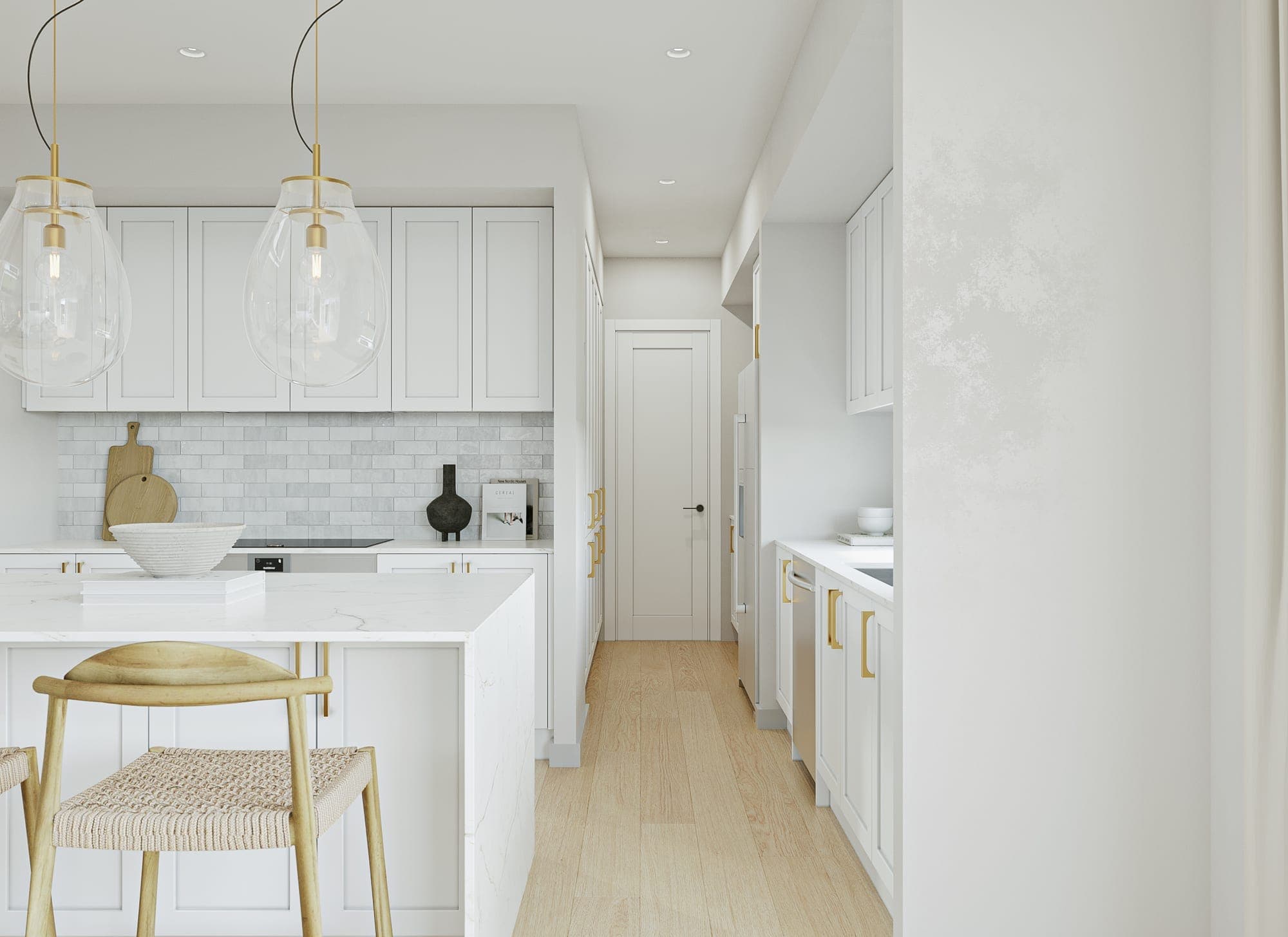
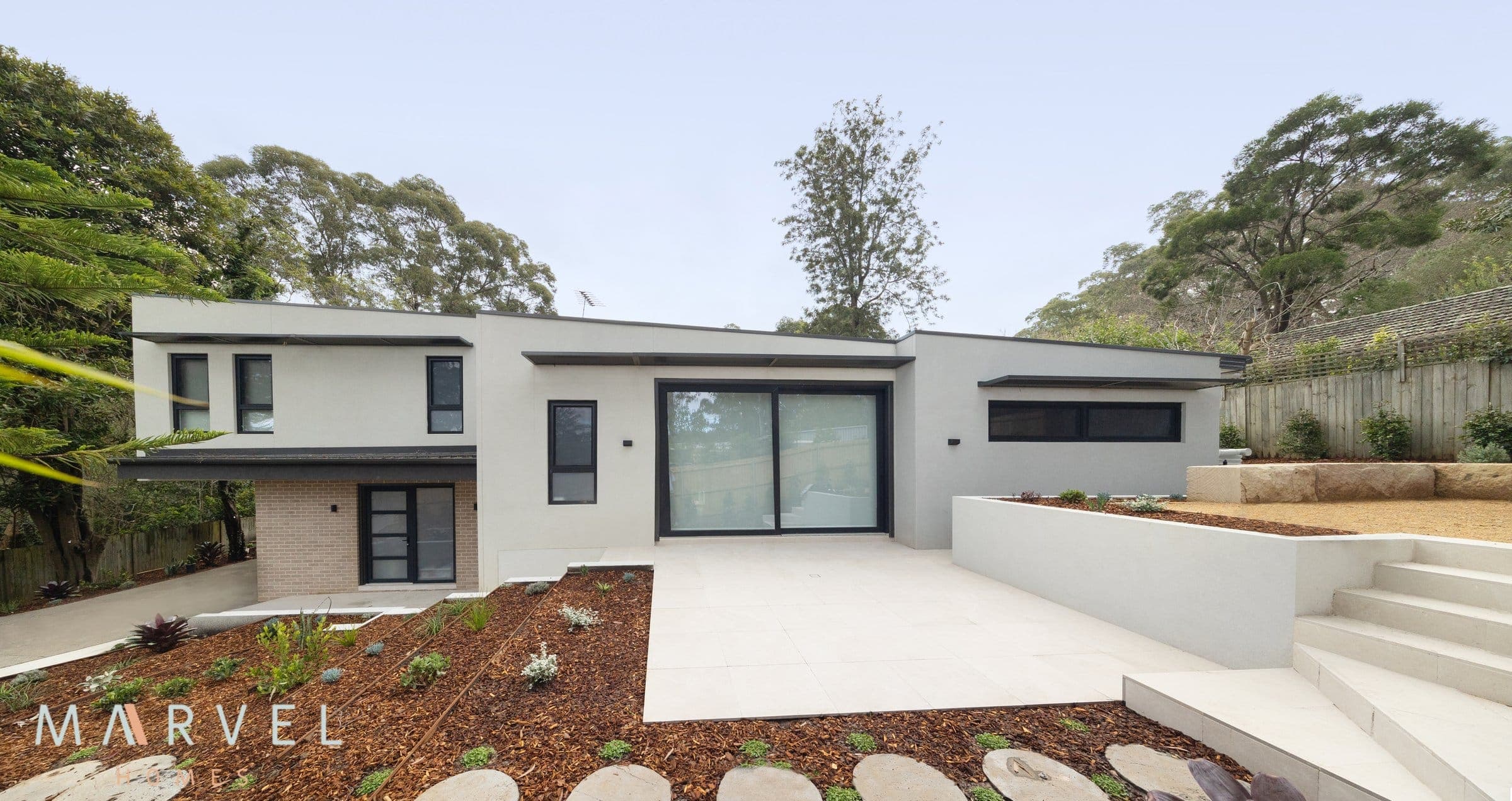
Recent homes across Sydney. Each one approved and delivered without surprises after the slab. View all projects →
Common
questions
Planning and approvals, answered.
Tap a question to open it.
What is the difference between a DA and a CDC in NSW?
+
A Complying Development Certificate (CDC) is a fast-tracked, combined planning and construction approval, issued in as little as 20 days (10 for a Pattern Book home) by an accredited certifier or council, but only where the design meets every rule in the Codes SEPP. A Development Application (DA) is assessed on merit by council, averages around 70 days, and is required when the design steps outside those rules or the site carries heritage, flood or bushfire constraints. The right pathway depends on your block and your design.
What is BASIX and does my home need it?
+
BASIX (Building Sustainability Index) is a mandatory NSW requirement that sets energy, water and thermal-comfort targets for new homes. Every new dwelling needs a BASIX certificate, generated through the NSW Planning Portal, before the application can proceed. The targets now align with a 7-star NatHERS energy standard. A certified passive house clears them comfortably, as a byproduct of the standard.
What a passive house is→How long do approvals take in Sydney?
+
A standard CDC is determined within 20 days of complete documentation, or 10 days under the new NSW Housing Pattern Book pathway. A DA averages around 70 days and runs longer, often two to four months or more, where the site has heritage, flood, bushfire or tree constraints, or where neighbour objections are lodged. Confirming the pathway and resolving constraints early is the single biggest lever on the timeline.
What are LEP and DCP?
+
The Local Environmental Plan (LEP) sets the legal controls for your land: zoning, height limits, floor space ratio. The Development Control Plan (DCP) sets the detailed design controls: setbacks, landscaping, privacy, parking. Together they define what can be built on your block, and they differ by council.
Do I lodge the application myself?
+
Everything is lodged through the NSW Planning Portal, the government's central platform. In practice your builder, designer or certifier prepares and submits the documentation. The quality and completeness of that package is what determines whether assessment runs smoothly or stalls.
Can I start building once I have approval?
+
Not quite. On a DA you also need a Construction Certificate, confirming the technical detail meets the building rules, before work begins. A CDC already combines both. Either way, a principal certifier then inspects the build at critical stages, and issues an Occupation Certificate at the end so you can legally move in.
See where approvals fit in the build→Know your block before you design.
Start with a conversation about your site. We will talk through the likely pathway and the controls that apply to your block, before you spend a dollar on design.
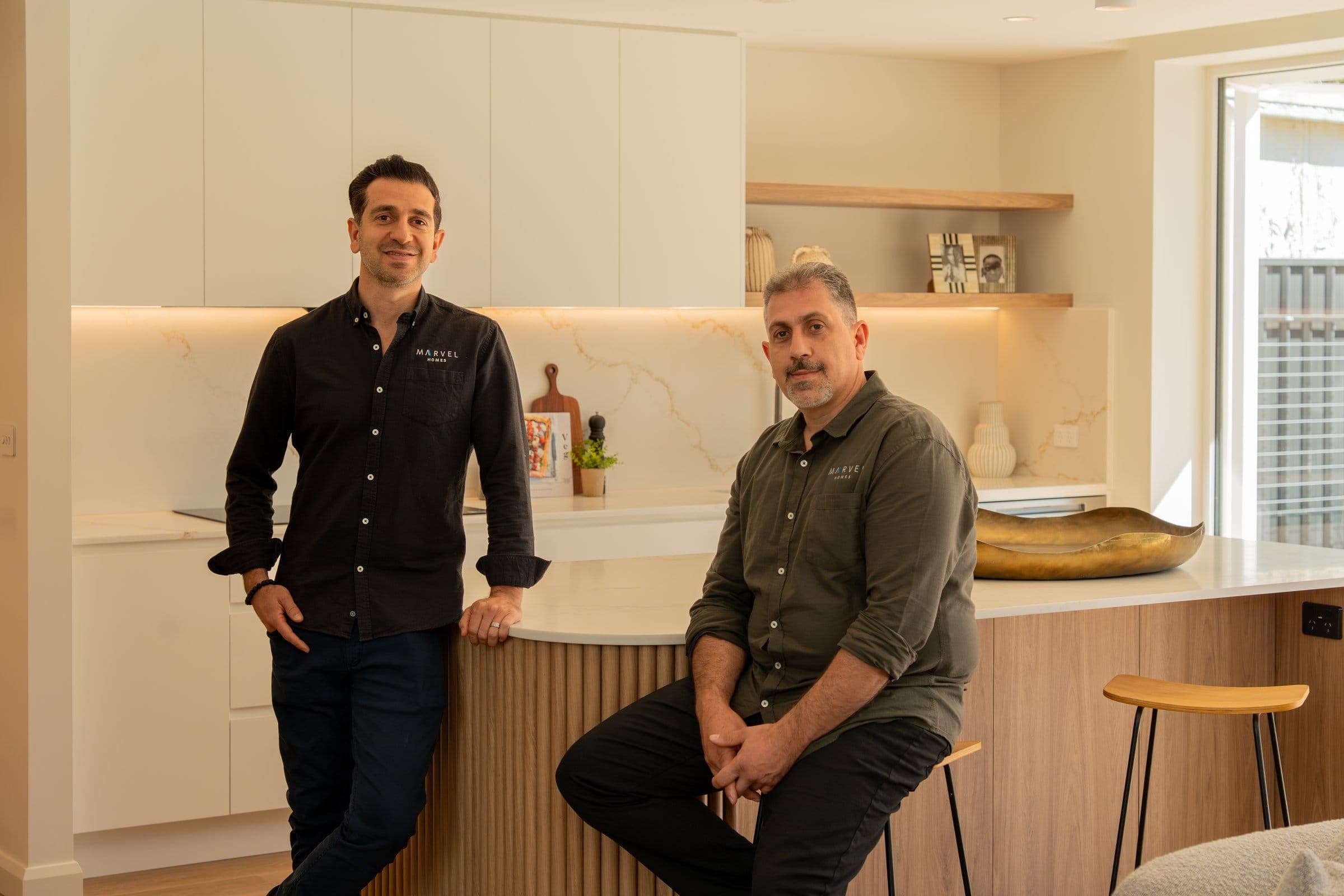
Mo Amin + Ibrahim Amin
Engineers · Licensed Builders · Certified Passive House Tradesperson