
Passive House vs a 7 Star Home
One predicts. The other proves. A 7-star NatHERS rating is the new legal minimum for a new home in NSW, but it is modelled on a computer and never tested. A certified Passive House is verified on the finished building. Here is what that difference means for comfort, health and running costs, in plain terms, before the science.
Book a discovery callPredicted performance vs measured performance.
Both promise a comfortable, efficient home. The difference is how that promise is checked. Read each row across to see where they part ways.
Predicted heating and cooling load per m² under standardised assumptions (occupancy, weather, appliances).
Measured airtightness (blower door), modelled energy balance (PHPP), verified ventilation performance.
None.
Blower door test at pre-plaster and at completion.
30 to 60% higher heating and cooling use than predicted, due to air leakage, thermal bridging and occupant behaviour.
Hits predicted performance within 5 to 10% because those variables are engineered out and tested.
Baseline (NSW mandatory from 1 Oct 2023, NCC 2022).
Typically 15 to 20% above a 7-star custom home.
Baseline.
Around 80% lower energy consumption. Break-even on running cost alone 7 to 12 years.
Predicted heating and cooling load per m² under standardised assumptions (occupancy, weather, appliances).
Measured airtightness (blower door), modelled energy balance (PHPP), verified ventilation performance.
None.
Blower door test at pre-plaster and at completion.
30 to 60% higher heating and cooling use than predicted, due to air leakage, thermal bridging and occupant behaviour.
Hits predicted performance within 5 to 10% because those variables are engineered out and tested.
Baseline (NSW mandatory from 1 Oct 2023, NCC 2022).
Typically 15 to 20% above a 7-star custom home.
Baseline.
Around 80% lower energy consumption. Break-even on running cost alone 7 to 12 years.
Same street, very different day.
The table above is the science. This is what those differences actually feel like once you have moved in, on an ordinary day and on a hard one.
The room with the system running is comfortable. Bedrooms and the far end of the house lag behind.
Every room sits within a couple of degrees of the next, morning and night, summer and winter.
Comfort depends on the air conditioning running, and on the power staying on.
The house coasts. It holds a comfortable temperature far longer, even with the system switched off.
Whatever drifts in through gaps, vents and open windows: pollen, dust and traffic fumes.
A steady supply of fresh air, filtered before it reaches you. Easier mornings for allergies and asthma.
A real risk through a wet Sydney winter if the build is not detailed carefully.
Designed and tested out. Stable humidity, and no cold surfaces for mould to take hold on.
Traffic, neighbours and aircraft come through the walls and windows.
Thick continuous insulation and sealed double glazing make it noticeably quieter inside.
Lower than an older home, but you still feel every heatwave and cold snap in the bill.
Around one fifth of a standard home. Predictable, and shielded from rising energy prices.
A rating modelled on a computer. The finished home is never tested.
Independently certified and pressure tested on the finished building before you move in.
The room with the system running is comfortable. Bedrooms and the far end of the house lag behind.
Every room sits within a couple of degrees of the next, morning and night, summer and winter.
Comfort depends on the air conditioning running, and on the power staying on.
The house coasts. It holds a comfortable temperature far longer, even with the system switched off.
Whatever drifts in through gaps, vents and open windows: pollen, dust and traffic fumes.
A steady supply of fresh air, filtered before it reaches you. Easier mornings for allergies and asthma.
A real risk through a wet Sydney winter if the build is not detailed carefully.
Designed and tested out. Stable humidity, and no cold surfaces for mould to take hold on.
Traffic, neighbours and aircraft come through the walls and windows.
Thick continuous insulation and sealed double glazing make it noticeably quieter inside.
Lower than an older home, but you still feel every heatwave and cold snap in the bill.
Around one fifth of a standard home. Predictable, and shielded from rising energy prices.
A rating modelled on a computer. The finished home is never tested.
Independently certified and pressure tested on the finished building before you move in.
The five things that make a passive house perform.
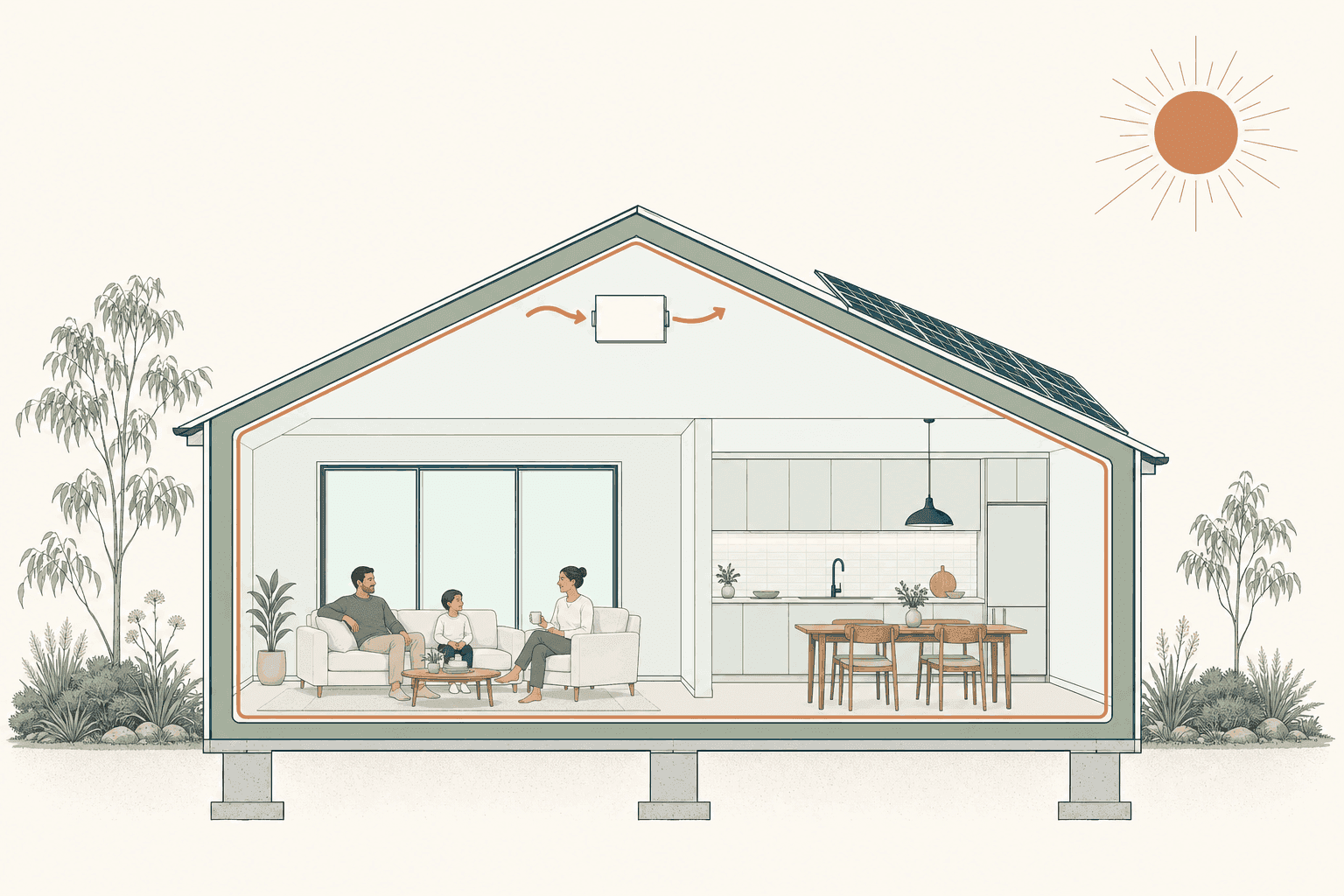
A passive house is not one clever gadget. It is five building fundamentals working together, which is why the comfort and the low bills are reliable rather than hopeful.
Click any element to open it in full detail
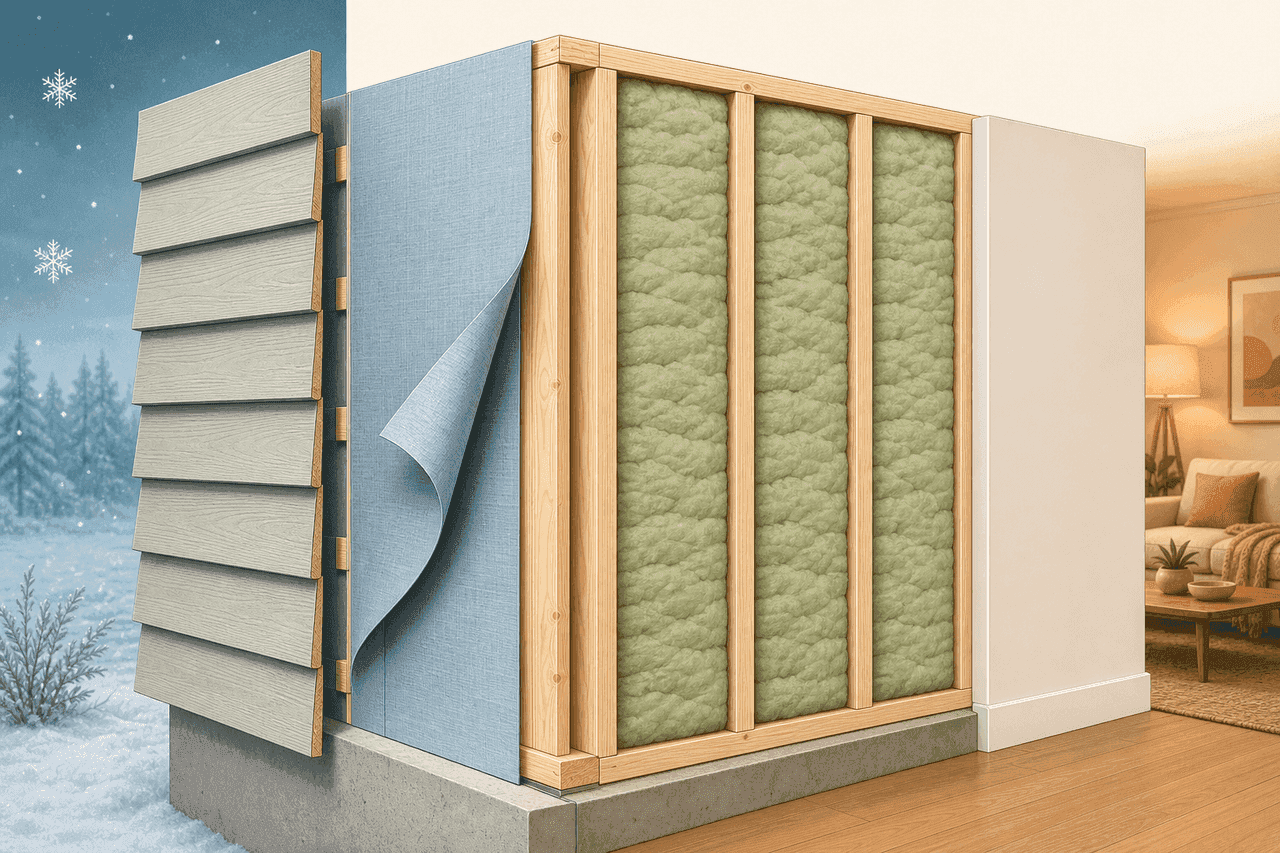
Continuous insulation
Click to explore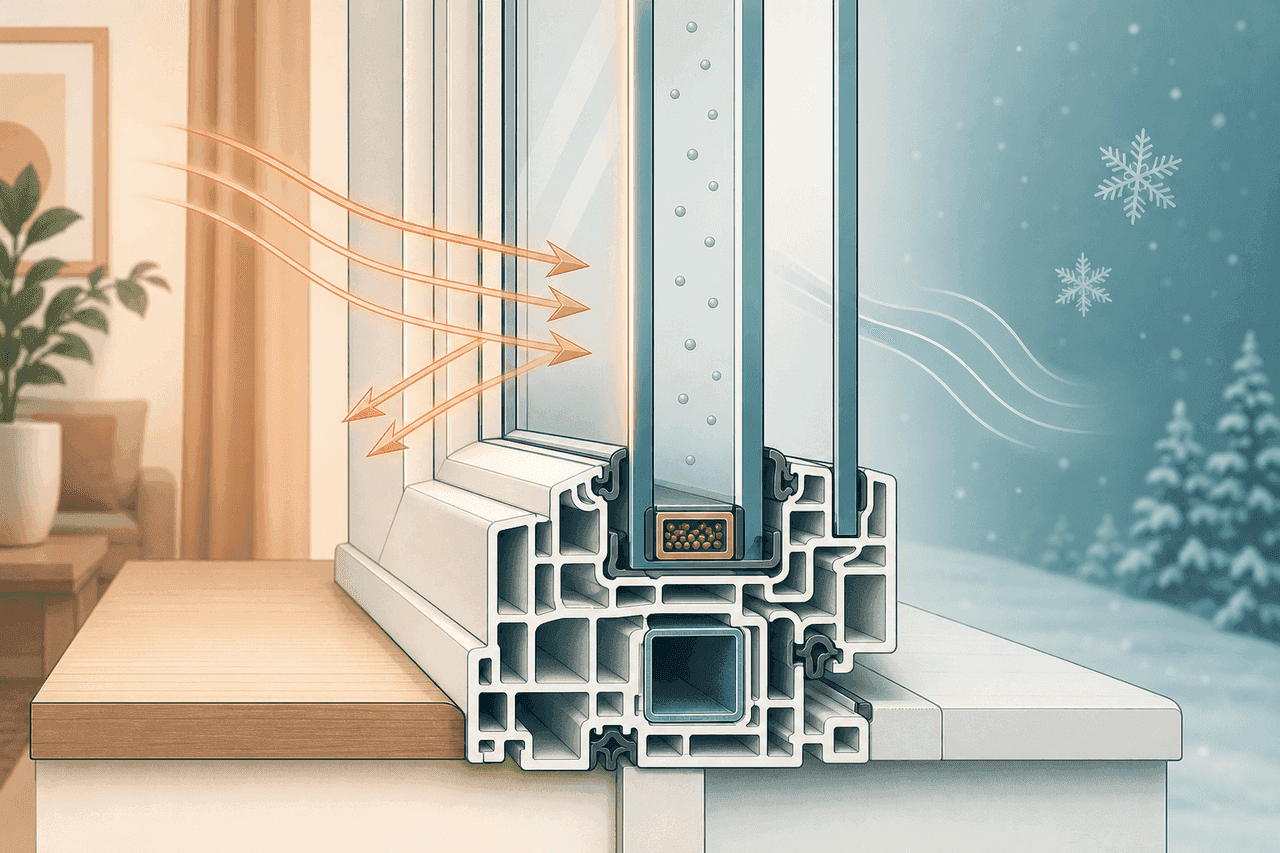
Double-glazed windows
Click to explore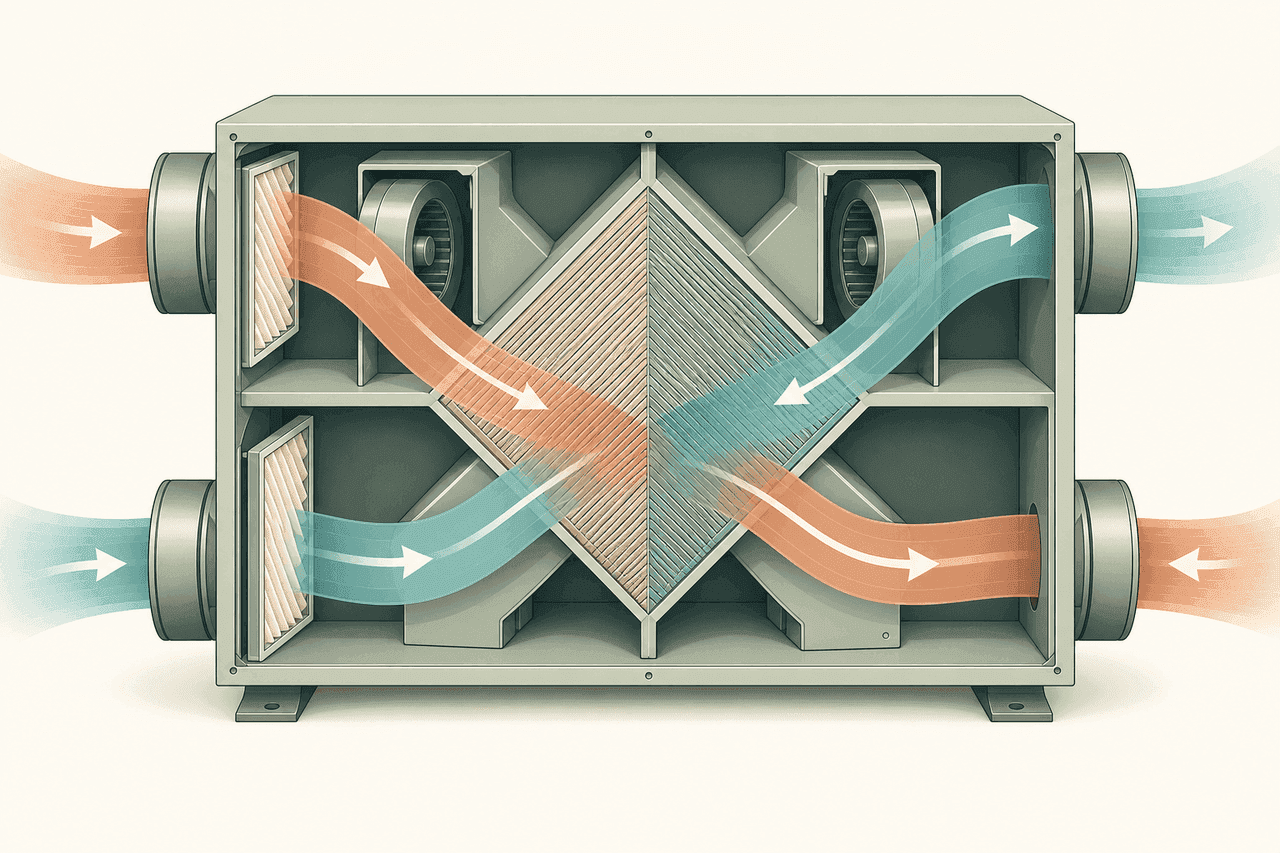
Heat recovery ventilation
Click to explore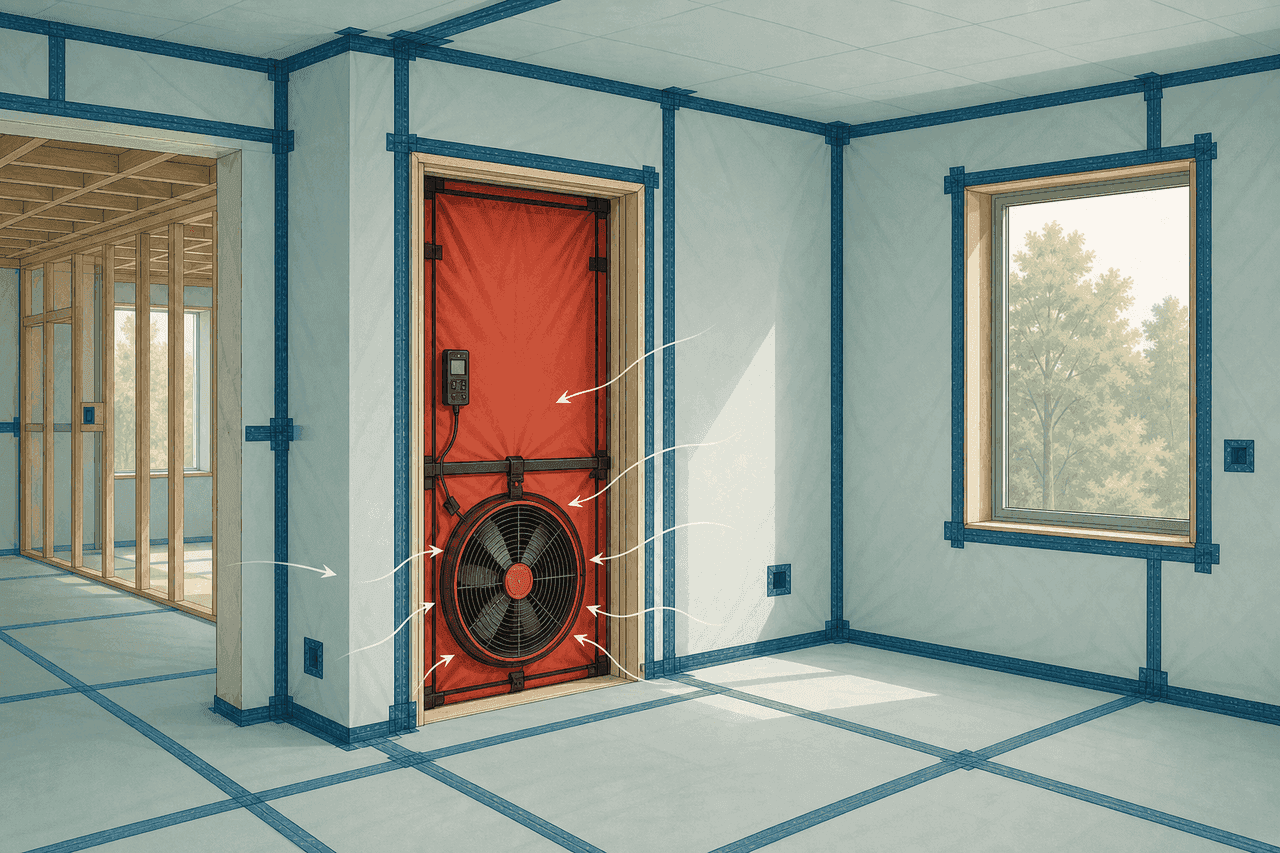
An airtight envelope
Click to explore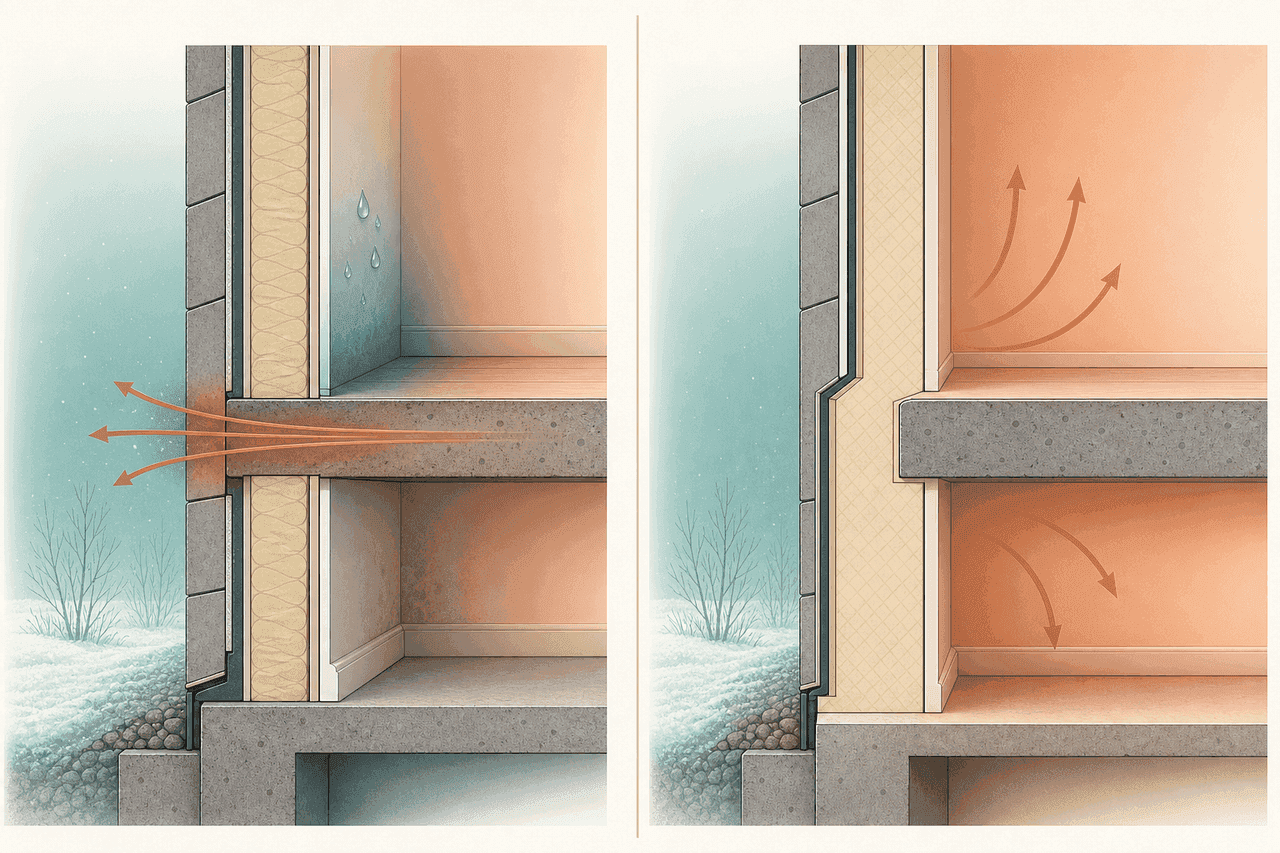
No thermal bridges
Click to exploreContinuous insulation
Tap to exploreDouble-glazed windows
Tap to exploreHeat recovery ventilation
Tap to exploreAn airtight envelope
Tap to exploreNo thermal bridges
Tap to exploreDiagram: Marvel Homes. Further reading: What is a Passive House?, Thermal protection (the envelope), Building services (HRV).
A 7-star home uses 30 to 60% more energy than the rating suggests.
A 7-star home under real conditions typically shows 30 to 60% higher heating and cooling use than its NatHERS rating predicts. Air leakage, thermal bridging, and occupant behaviour are all unaccounted for in the modelling.
A certified Passive House hits its predicted performance within 5 to 10% because those variables are engineered out and tested. Blower-door testing verifies airtightness at pre-plaster and at completion. PHPP modelling verifies annual energy demand.
If you are weighing up how efficient to build, our guide to energy efficient homes in Sydney lays out the full ladder, from a 7 star minimum to a certified Passive House.
Where the premium goes, and what it buys.
- Build cost: Passive House typically 15 to 20% more than a 7-star NatHERS custom home.
- Running cost: Passive House typically around 80% lower energy consumption.
- Break-even on running costs alone: 7 to 12 years.
- Plus: health outcomes (filtered air, stable humidity) and comfort outcomes (uniform temperature) that NatHERS ratings don't address.
Frequently asked
- A 7 star home meets the current NSW minimum, but the rating is modelled, not tested, and a 7-star home typically uses 30 to 60% more energy in the real world than the rating predicts. It still leans on heating and cooling to stay comfortable. A certified Passive House goes well beyond a 7 star home in measured comfort and running cost.
Book a discovery call.
Bring your architect's concept or your NatHERS report. We'll walk through what a Passive House upgrade would look like, and what it would cost.