
Sustainable home builder, Sydney.
Healthy air, no condensation or mould problems, energy bills a fraction of the norm. We build to certified Passive House standard because it is the only residential standard that gets independently verified, not just modelled on paper.
Sustainable means healthy, not just efficient
Sustainability in housing gets talked about as though it is mainly about solar panels and energy ratings. The homes we build in Sydney have a bigger problem than that: they are leaky, they let in humid summer air, they grow mould in the walls and under the floors, and they rely on mechanical systems to stay liveable. That is not sustainable.
A genuinely sustainable home barely leans on mechanical systems to stay comfortable. It holds a steady 20 to 25°C year-round through the physics of its envelope, not the power bill of a hard-working HVAC system. It has continuous fresh filtered air. It has no condensation because the surfaces never get cold enough for moisture to form. It avoids the cycle of mould remediation, HVAC replacement, and insulation upgrades that standard homes go through, because the fabric is detailed correctly the first time.
PHI certification is the standard that verifies all of this. It is not a marketing badge. It requires independent third-party sign-off and a blower door test on the finished building.
The full lifecycle, not just the energy bill
Sustainability usually gets reduced to a running-cost number. We think about three things: what it took to build the home (embodied impact, the materials and construction), what it costs to run once you are living in it (operational energy), and how long it lasts before major systems need replacing (durability). A home that is cheap to run but has finishes and systems that fail within a decade, or one built from low-impact materials but leaky enough to need constant heating and cooling, has only solved one part of the problem.
Passive house construction addresses all three together. The airtight, thermal-bridge-free envelope cuts operational energy. Correct detailing done once, not patched later, means fewer replacement cycles for HVAC, insulation, and finishes. All of it sits under one fixed-price contract, so the sustainability does not come with a budget blowout attached. If air quality and health is your main concern, our healthy home builder page goes deeper on that. If you are comparing the efficiency ladder itself, see our energy-efficient homes page.
Beyond 7-star NatHERS
The 7-star NatHERS rating is the minimum required by the National Construction Code. It models performance on a computer but does not verify what is actually built. It still allows for leaky construction, inadequate ventilation, and reliance on air conditioning to meet the modelled outcome. Many builders advertise 7-star compliance as an achievement. It is the legal minimum.
Passive house always exceeds the 7-star standard, typically rating around 8 to 9 stars on the NatHERS scale. Every Marvel Homes project is designed and built to PHI certification, which means your home is verified to perform as modelled, not just estimated to. When you compare builders who claim to build sustainably, ask what standard they actually build to and whether it gets independently verified.
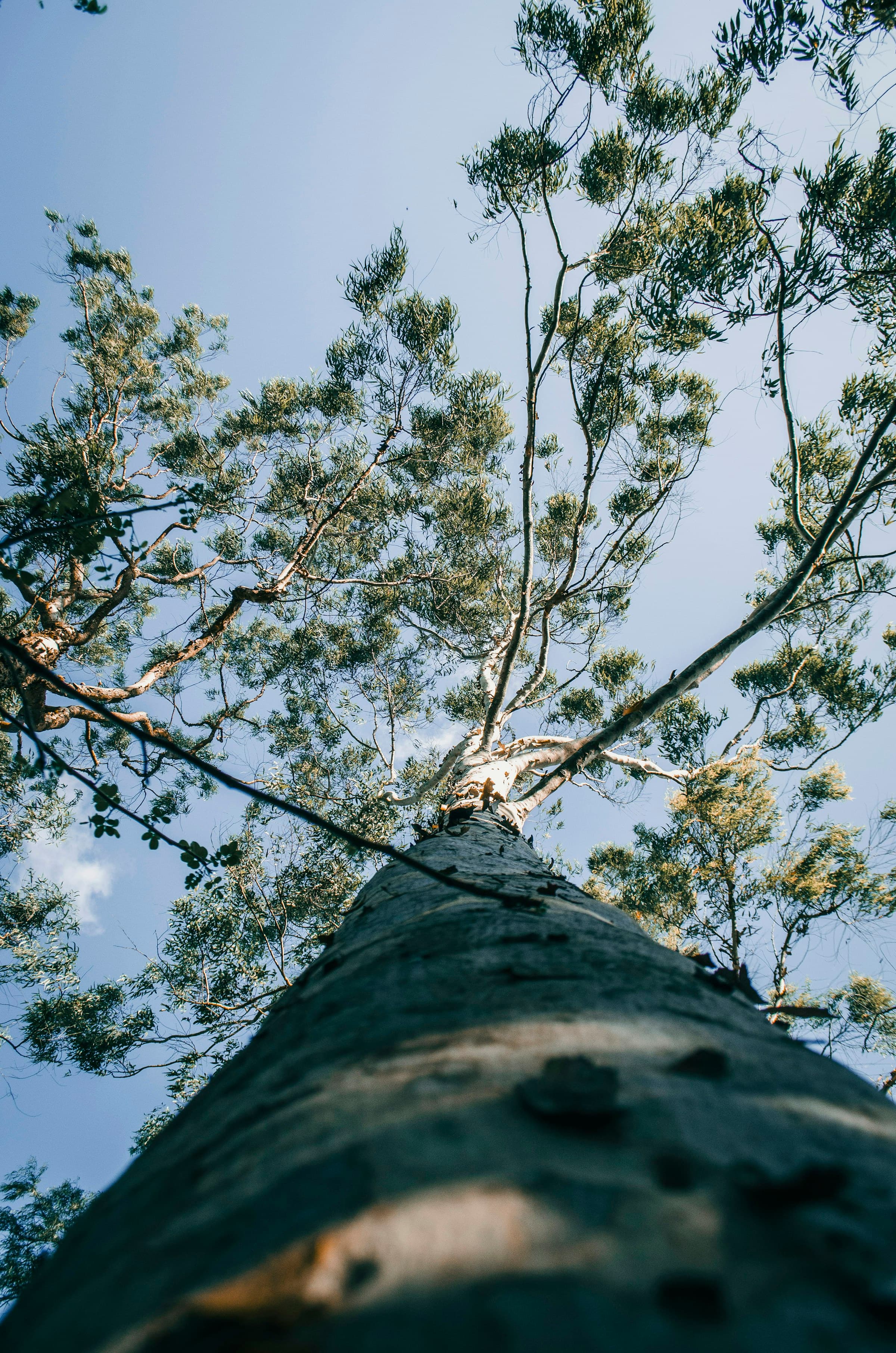
Built to stay healthy and efficient, long after a standard home needs its first big repair.
The thermal envelope and what it means for you
The thermal envelope is the boundary between the conditioned interior of your home and the outside world. In a passive house, that boundary is continuous, airtight, and without cold bridges. Cold bridges are the spots where insulation is interrupted by structure (a steel stud through a wall, a concrete slab edge exposed to outside air), and they cause condensation and heat loss.
Ibrahim Amin, our mechanical engineer and Certified Passive House Tradesperson, manages the airtightness detailing and HRV commissioning on every Marvel Homes project. This is the work that separates a passive house from a standard home with good marketing. It is exacting, repetitive trade work done correctly the first time, because fixing airtightness problems after the walls are closed is not straightforward.
Mo Amin, our Licensed Builder (NSW #330031C) and civil engineer, manages the structural and civil side: the foundation design, the slab detailing, and the construction programme that makes sure every stage lands correctly.
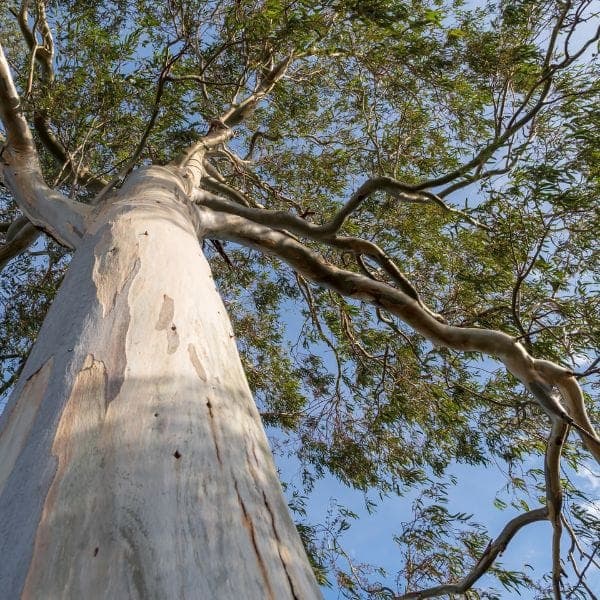
Healthy, low-energy, and built to last. Sustainability you can actually live in.
Common questions
What makes a home genuinely sustainable?
+
A genuinely sustainable home has three qualities: it uses very little energy, it stays healthy to live in over its full lifespan, and it is built to last. Many homes tick one of these boxes. Passive house ticks all three. The PHI standard requires continuous insulation, double-glazed windows, airtight construction tested by a blower door test, and a heat recovery ventilation system that supplies fresh filtered air around the clock. The result is a home that needs far less heating and cooling than a standard build, has no condensation or mould problems, and costs a fraction of a standard home to run.
Is passive house the same as sustainable?
+
Passive house is the most rigorous independently verified sustainable building standard available in Australia. It is not the same as a solar panel on the roof or a 7-star NatHERS rating. PHI certification means the building has been third-party verified to use approximately 80% less energy than a standard home, with airtightness and ventilation performance confirmed by testing. Sustainability claims without independent verification are difficult to assess. PHI certification removes the doubt.
How do I know if a builder is genuinely sustainable?
+
Ask for a completed project with PHI certification documentation. Ask whether the builder has a Certified Passive House Tradesperson on the team. Ask how they test airtightness and what result they achieved. Marvel Homes has Ibrahim Amin (CPHT) on every project and every build we complete is designed to meet PHI certification. We are happy to share blower door test results from completed projects.
What is an HRV system and why does it matter?
+
An HRV (heat recovery ventilation) system continuously extracts stale air from bathrooms, the kitchen, and the laundry, and replaces it with fresh outdoor air that has been filtered and conditioned. The heat exchanger inside the unit recovers 85 to 95% of the thermal energy from the outgoing air, so you get constant fresh air without losing warmth in winter or coolness in summer. Without an HRV system, the only way to ventilate a standard home is to open windows, which brings in allergens, humidity, and unfiltered outdoor air. Standard homes rely on intermittent exhaust fans, which is not adequate ventilation.
Will a sustainable home cost more to build in Sydney?
+
A passive house certified home typically costs 15 to 20% more to construct than a comparable standard home. However, you save significantly on energy bills over the life of the home, and the home needs far less heating and cooling than a standard build. Marvel Homes builds passive houses with construction budgets from $900K to $2M+. We discuss costs in detail once we understand your site and brief.
“From the moment we decided on a knockdown rebuild, passive house was top of our checklist. The build took under 15 months and we've lived here a year now. The humidity is controllable and I don't worry about mould and mildew after winter anymore. It rains all week and we feel no dampness inside. We no longer blast the heater or aircon and worsen my son's eczema. We haven't just built a house, we've invested in our family's health.”
Alisa Si · Riverwood passive house · Google review
What genuinely sustainable construction gives a family.
Filtered fresh air, a steady temperature in every room, and running costs far below the norm. Proven rather than promised.
More real builds and client stories→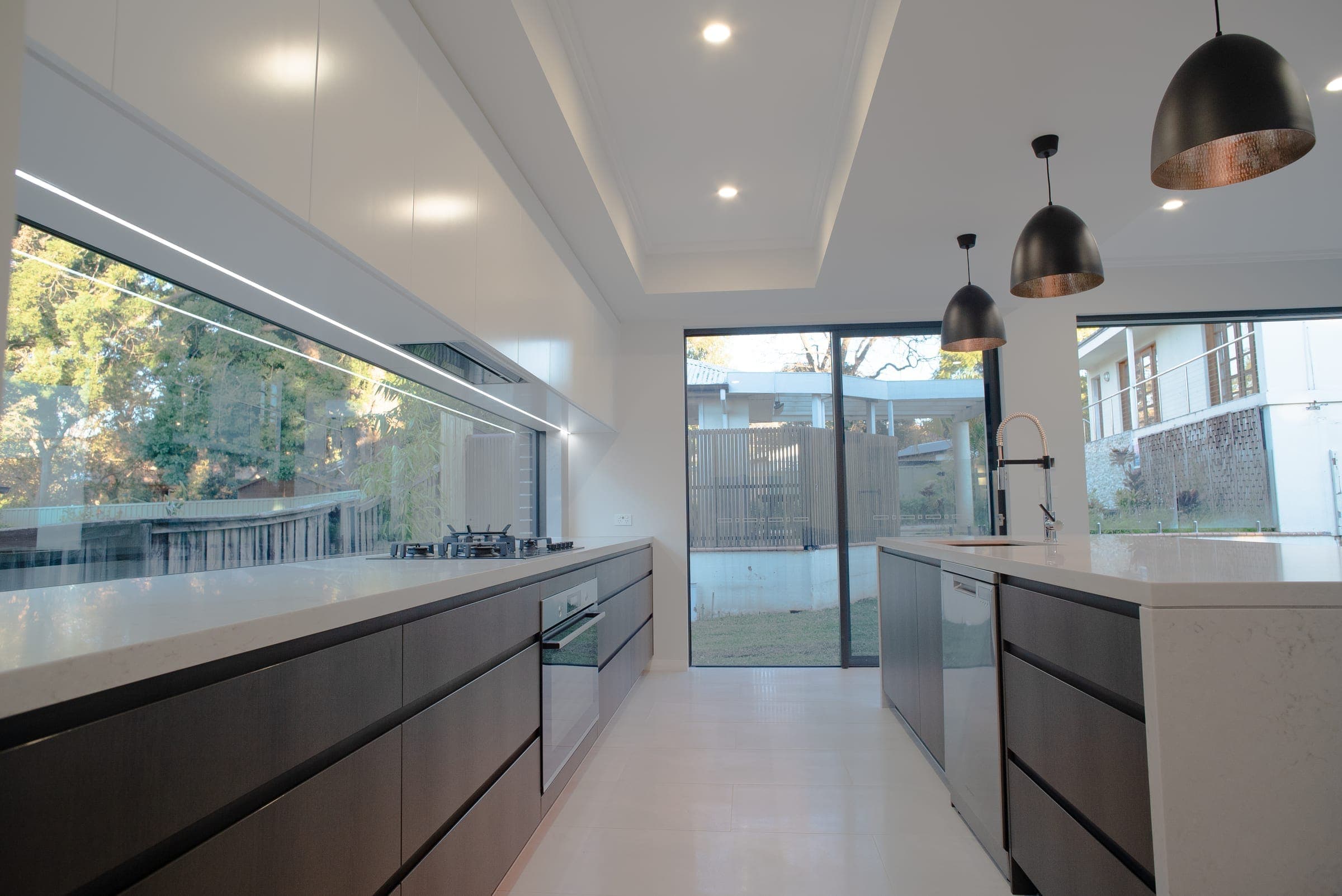
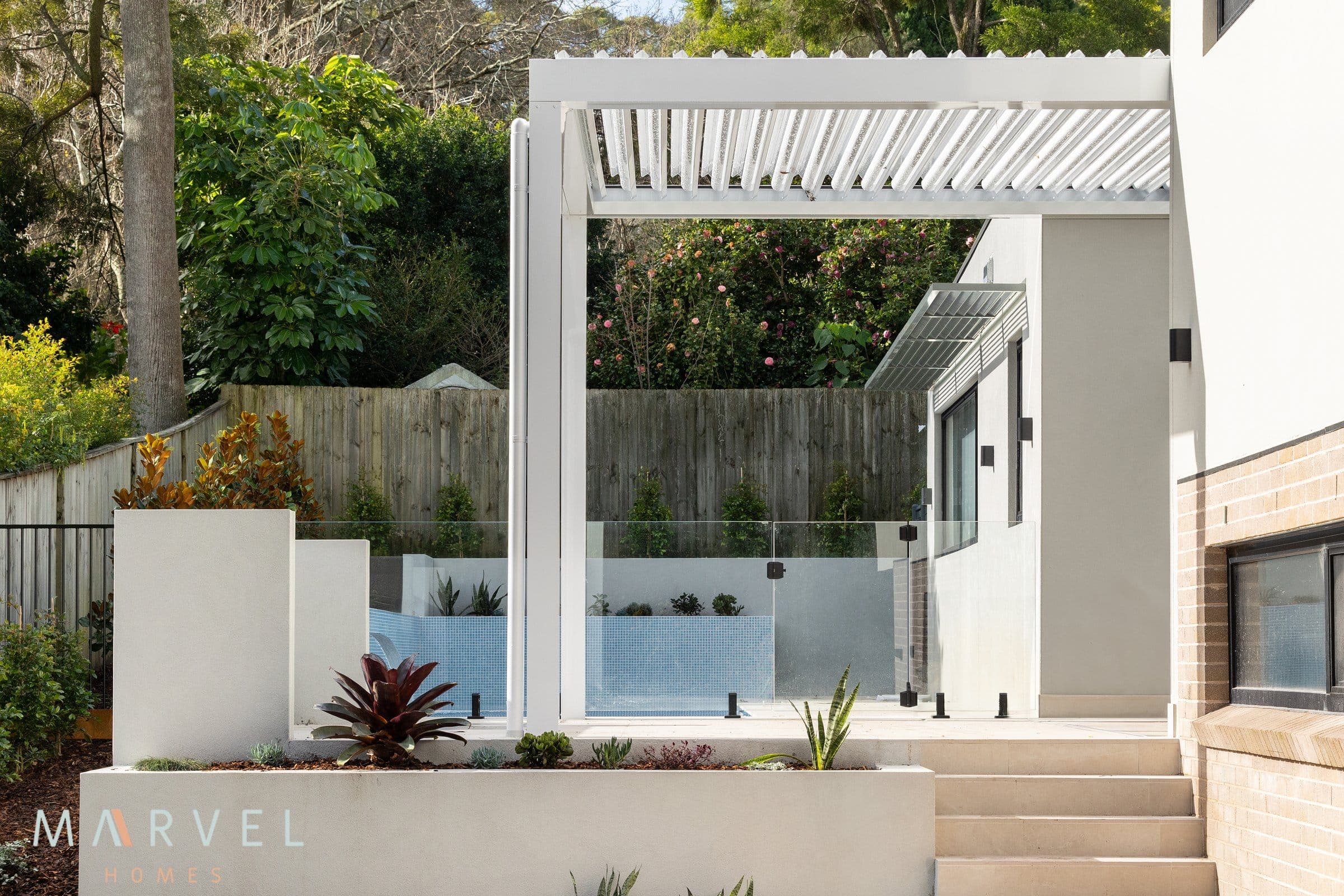
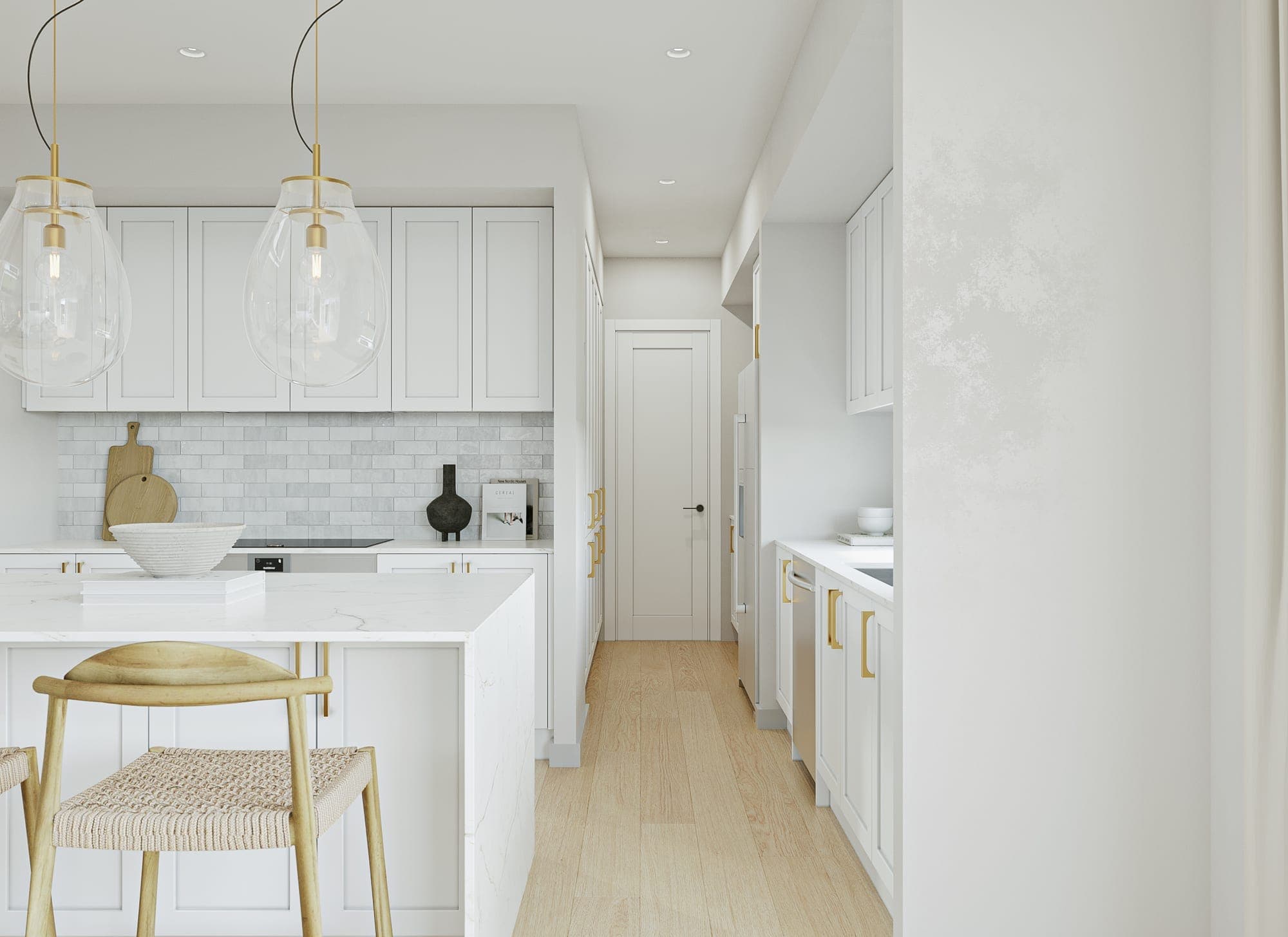
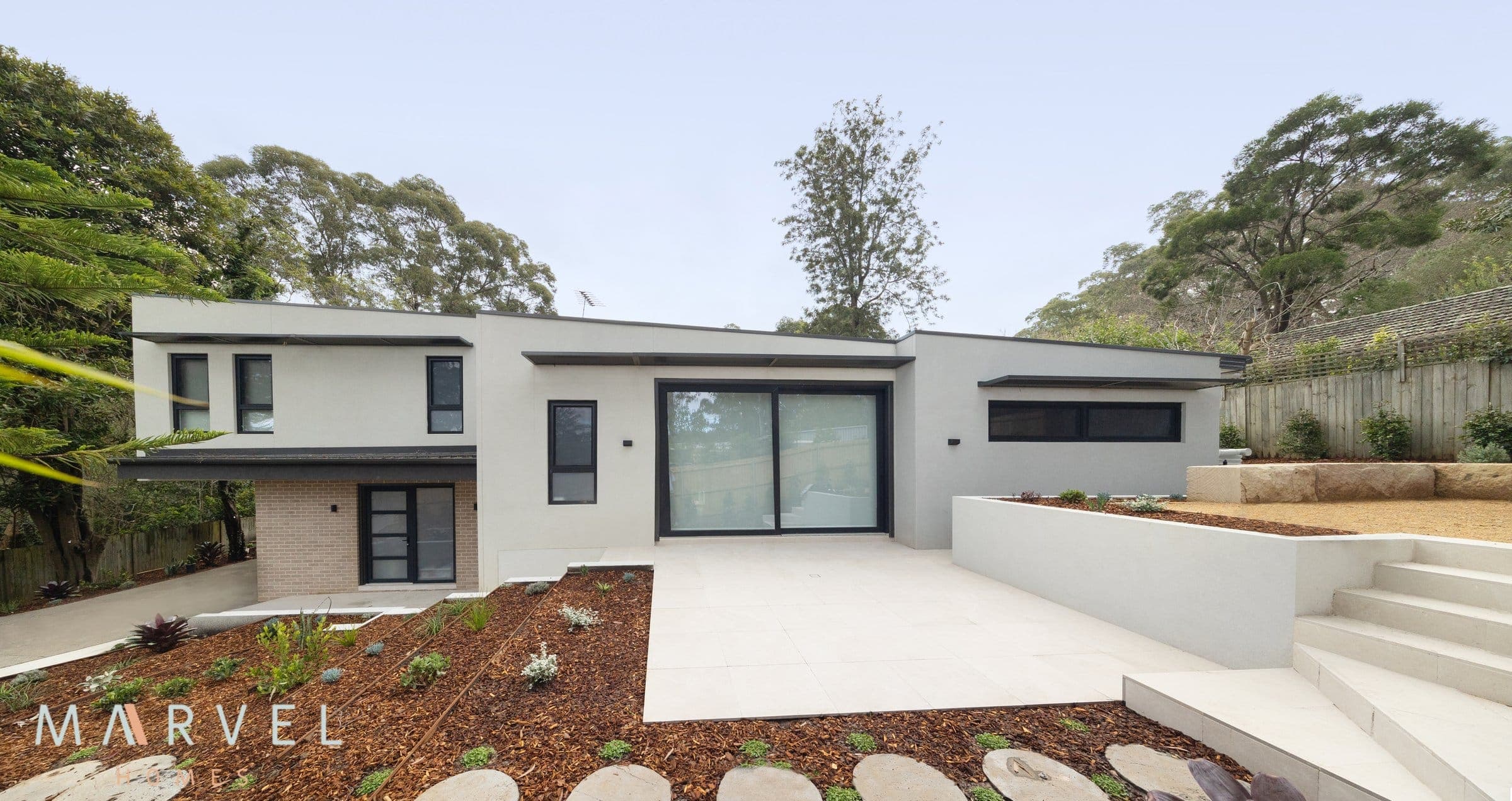
Recent all-electric, high-performance homes across Sydney. Built to passive house standard. View all projects →
Is it a fit
Five to eight homes a year, by choice.
That means we are honest about fit before you spend. Here is who a sustainable home tends to be right for, and who it is not.
- Your budget is in the $900K to $2M+ range for construction, and you want it spent well.
- You want it built properly, and can plan around a construction program of about 62 weeks.
- You value measured comfort, health, and running cost over the lowest headline price.
- Lowest price is the deciding factor, ahead of comfort, health or how the home performs.
- You need a fixed build price before your site and plans have been worked through.
- You are after a project-home or off-the-plan build, not a one-off custom home.
Our build program runs about 62 weeks start to finish. That is real calendar time: it already allows for the December and January shutdown and for weather, so the actual build is shorter than it sounds. You get firm dates up front, so you can plan your finances and any rental around them.
Not sure where you sit? The lowest-risk first step is a builder-agnostic site assessment. You own the report, whoever you build with.
Talk to a builder who verifies the claims.
We build five to eight homes a year, by choice. Tell us about your site and we will tell you whether it is a fit.